
Hotdisplay Technology Co., Ltd
MIPI DSI can support demanding graphical interfaces while reducing the number of parallel data connections required by traditional RGB architectures. It is useful when PCB routing, connector size and display bandwidth are important design considerations.
However, MIPI DSI compatibility depends on more than the connector. The host controller, number of data lanes, supported data rate, panel initialization sequence and driver IC must all be considered.
Host processor or application processor support for MIPI DSI.
Required resolution, refresh rate and color depth.
Number of supported data lanes and link bandwidth.
Panel driver IC and initialization commands.
FPC pinout, power rails, reset and backlight control.
Touch interface and operating environment, where applicable.
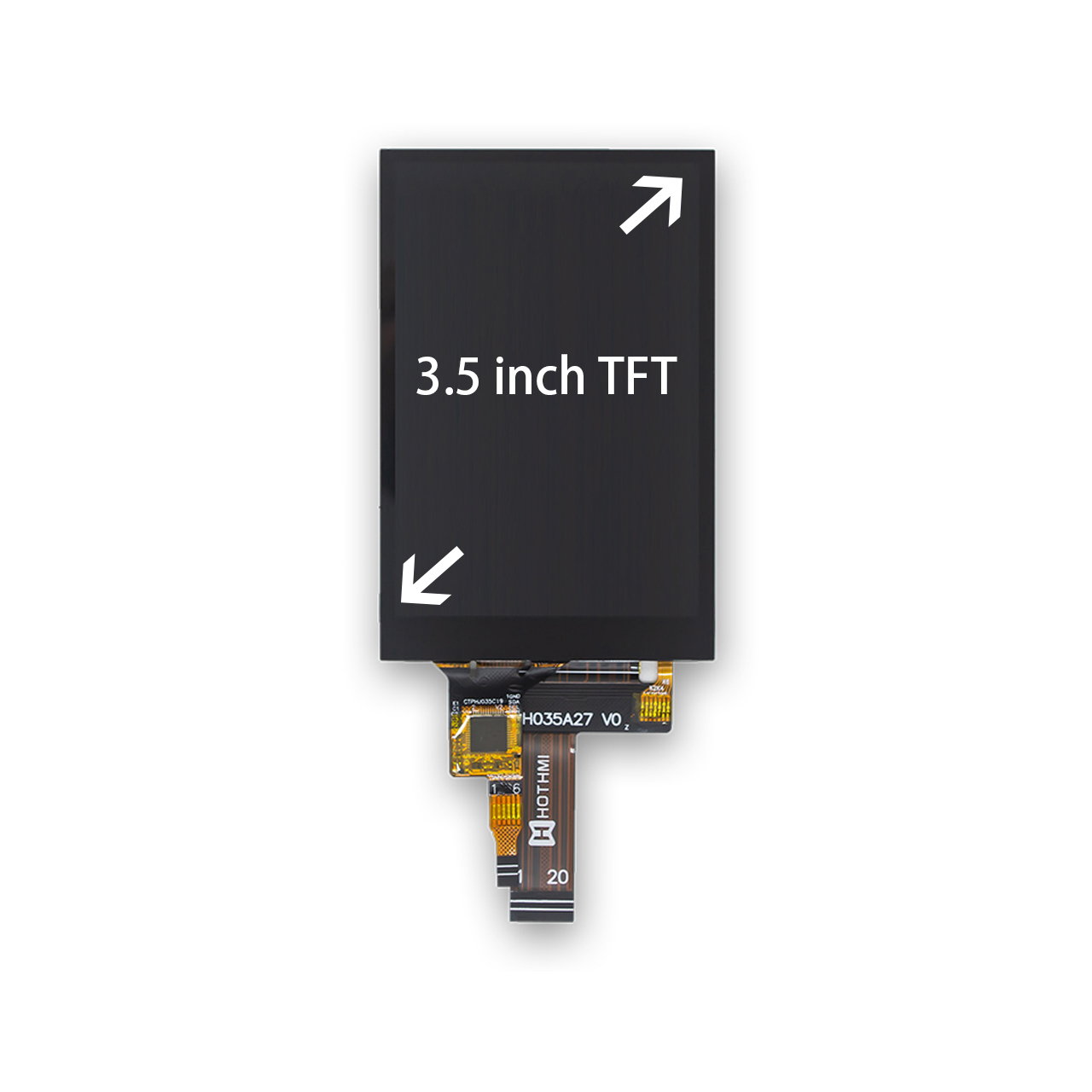
HOTDISPLAY's product portfolio includes TFT LCD options using MIPI interfaces. Our selection process focuses on the complete host-to-display connection rather than the interface name alone. Customers can provide their processor platform, target display size, resolution, mechanical drawing and software environment for evaluation.
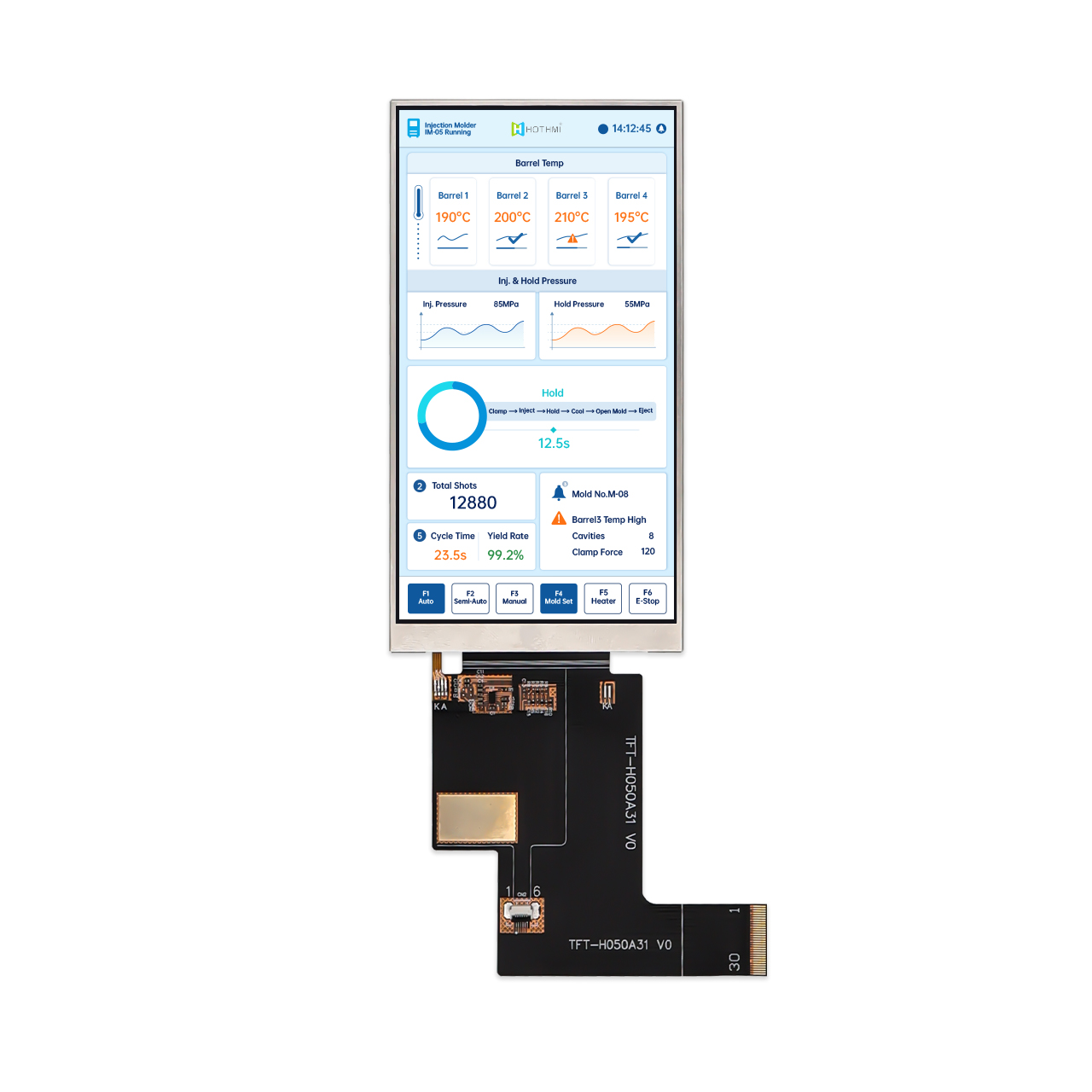
Compact industrial HMIs, handheld instruments, portable equipment, smart devices and other embedded products with supported MIPI DSI controllers.
No. MIPI DSI is used for display communication, while MIPI CSI is used for camera interfaces.
No. The board must support the specific display interface and timing requirements, and suitable software drivers and initialization support may be necessary.
Power consumption depends on the host, display, resolution, refresh rate, backlight and implementation. Interface choice alone does not determine total system power.
Provide the host board model, supported MIPI DSI lane configuration, resolution, target refresh rate, power requirements and any existing panel datasheet.
Contact HOTDISPLAY to discuss MIPI DSI display selection for your embedded product and confirm interface compatibility before design-in.
What did our happy clients say?