
Hotdisplay Technology Co., Ltd
The host sends commands and display data to the display controller. Depending on the controller architecture, image data may be written to internal display memory rather than continuously streamed as parallel RGB pixels.
This can simplify certain software architectures, but memory capacity, bus width and update speed remain important design considerations.
Confirm the host's supported bus type, data width, read/write timing, command protocol, controller IC, logic voltage and FPC pinout. Evaluate display resolution and the amount of image data that must be updated per second.
For frequently changing full-screen content, compare the performance of an MCU interface with RGB or MIPI DSI.
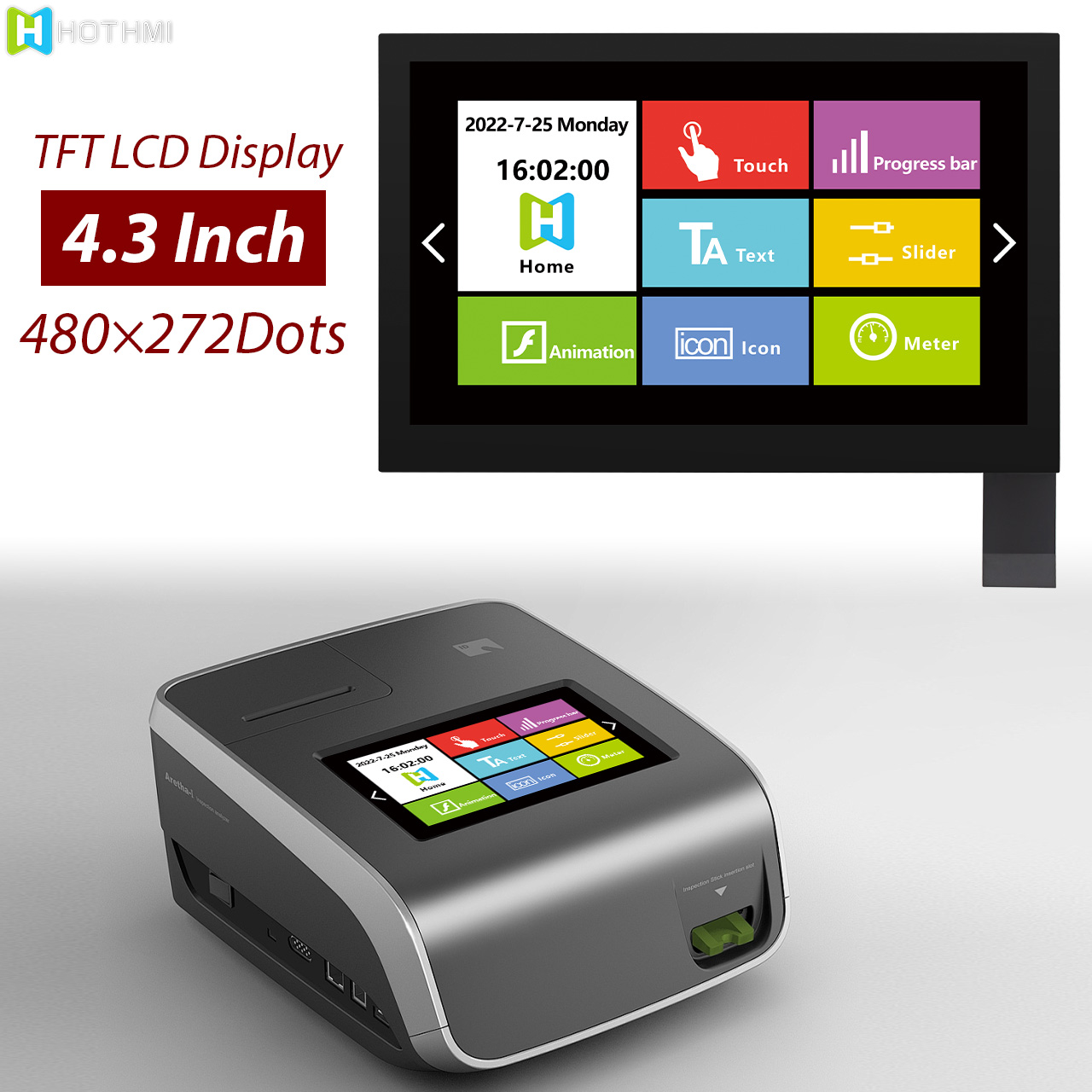
HOTDISPLAY's TFT LCD module portfolio includes MCU interface options alongside RGB, SPI, MIPI and LVDS products. The correct model depends on the specific controller and electrical interface required by the host.
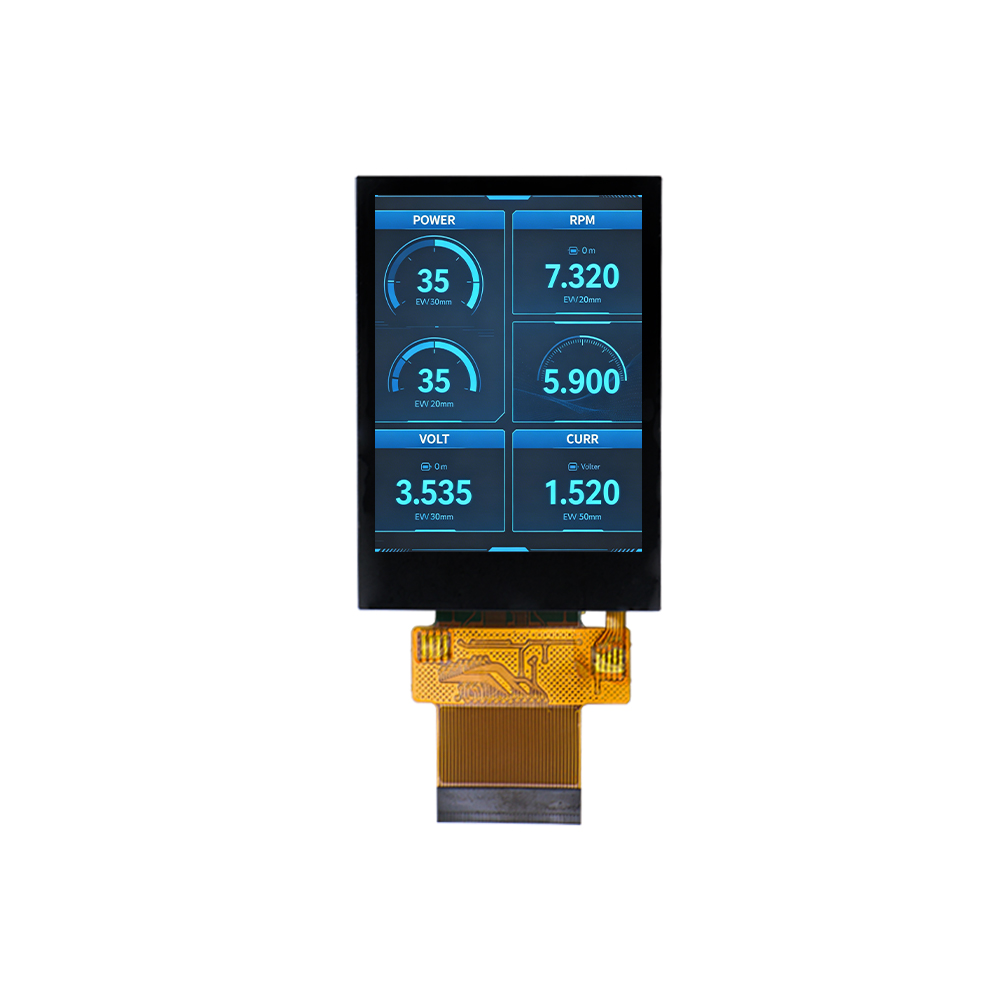
Industrial controls, smart appliances, measuring instruments, embedded terminals and products based on microcontrollers with suitable display support.
An MCU interface commonly sends commands and data to a display controller. RGB generally streams pixel data with continuous timing signals. Their memory requirements and update behavior differ.
No. Both may be controller-driven, but SPI is a serial bus, whereas MCU interfaces often refer to parallel 8080- or 6800-style buses.
Yes, if the controller, bus speed, resolution and host software provide sufficient performance. Complex animations may require careful bandwidth and memory evaluation.
Provide the microcontroller model, bus type and width, display resolution, controller requirements, power supply and touch requirements.
Contact HOTDISPLAY to evaluate MCU display options for your embedded hardware and product development requirements.
What did our happy clients say?