
Hotdisplay Technology Co., Ltd
High backlight brightness can improve visibility, but the touchscreen and cover glass can introduce additional reflections. Optical bonding, anti-reflective treatment and anti-glare surfaces may help, depending on the design and application.
Touch performance must also be assessed under the intended conditions, including glove use, moisture exposure and the thickness of the cover lens where relevant.
Display brightness, resolution and viewing angle.
Capacitive or resistive touch requirements.
Cover glass dimensions and thickness.
Optical bonding and surface treatment.
Touch controller and host interface.
Operating temperature, power and mechanical structure.
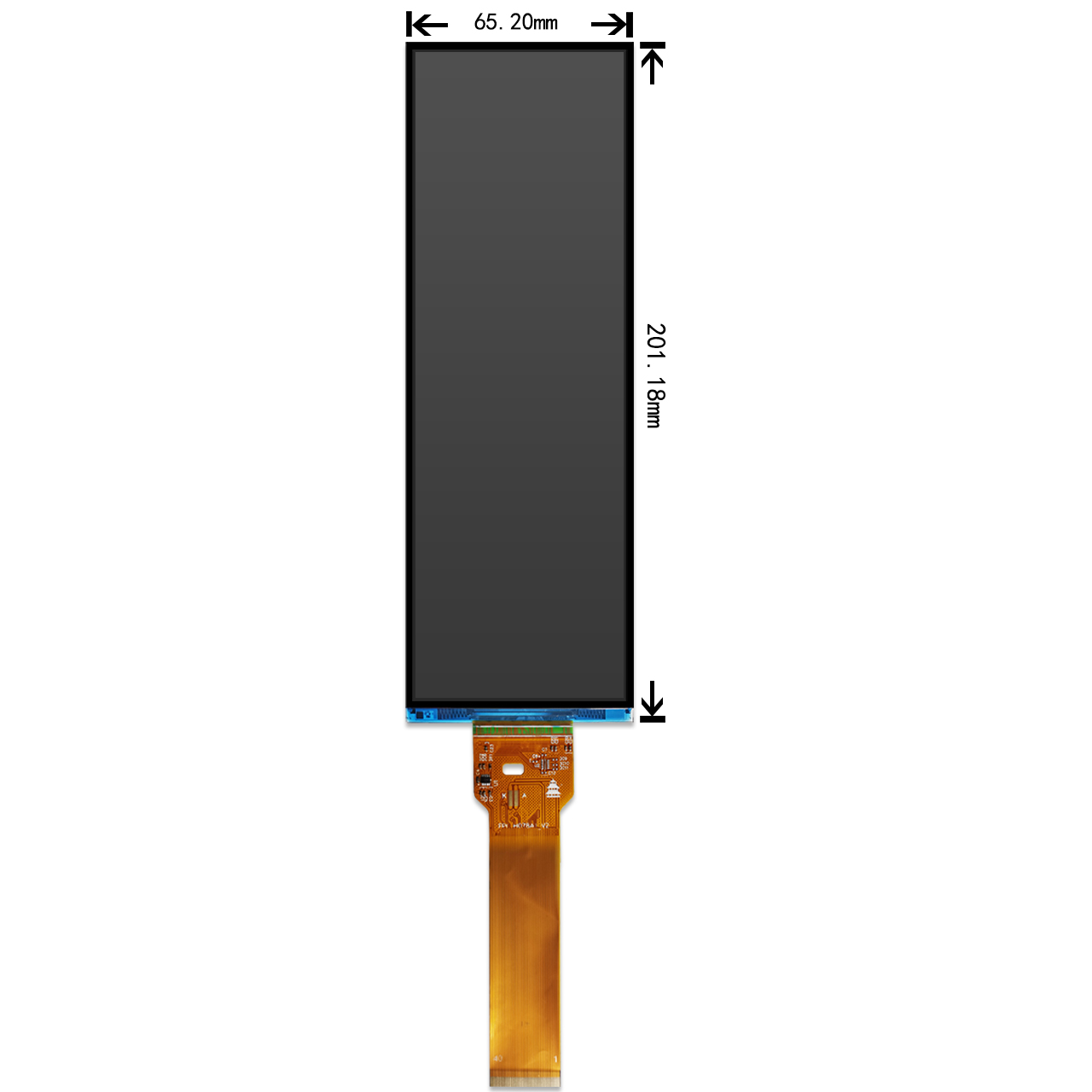
HOTDISPLAY's published high-brightness range includes models with and without touch. Specific configurations should be confirmed for touch technology, optical construction and environmental ratings.
For a more accurate recommendation, provide the target screen size, direct-sunlight exposure, cover lens requirements and host system details.
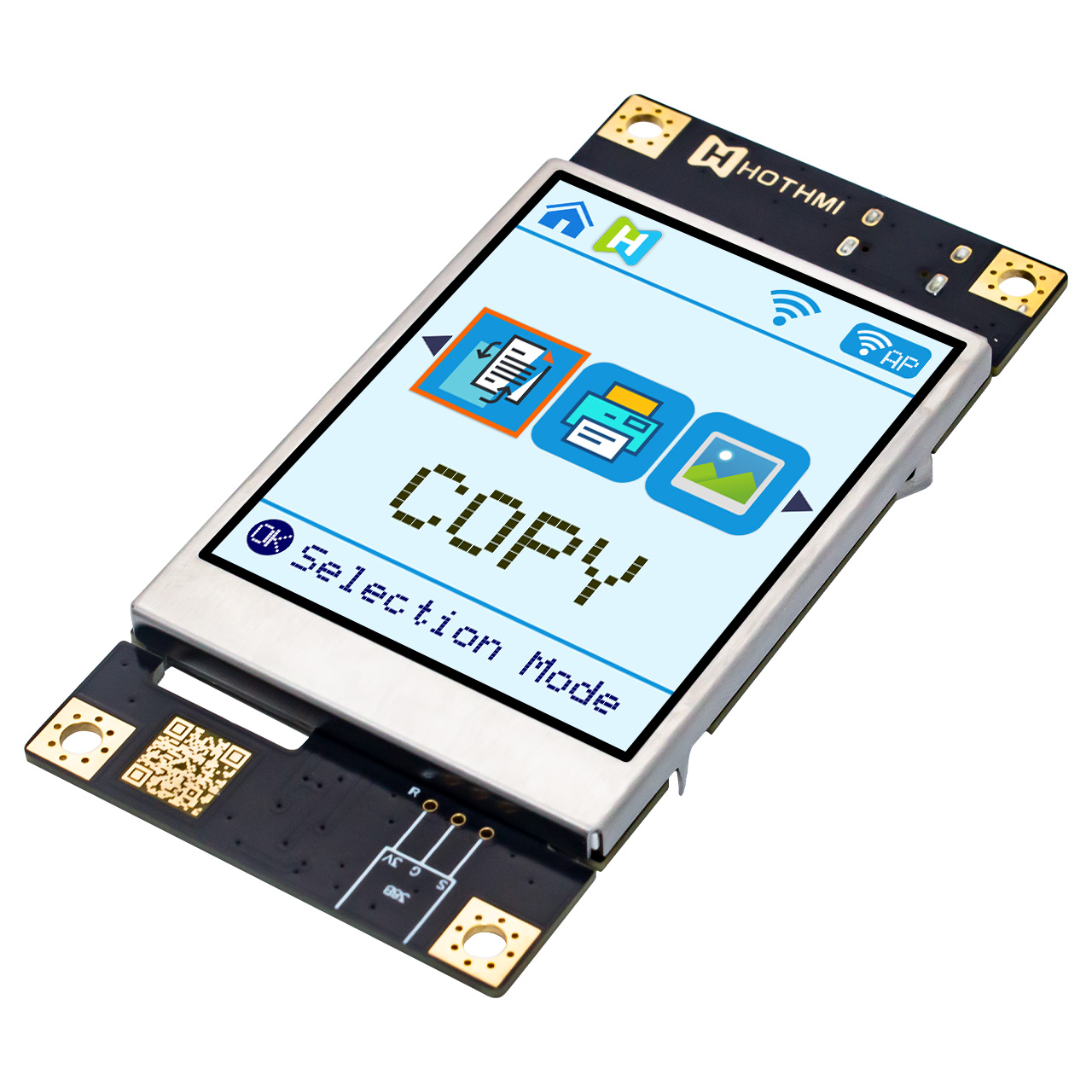
Outdoor kiosks
EV charging stations
ticketing terminals
vehicle control panels
field instruments and industrial operator interfaces.
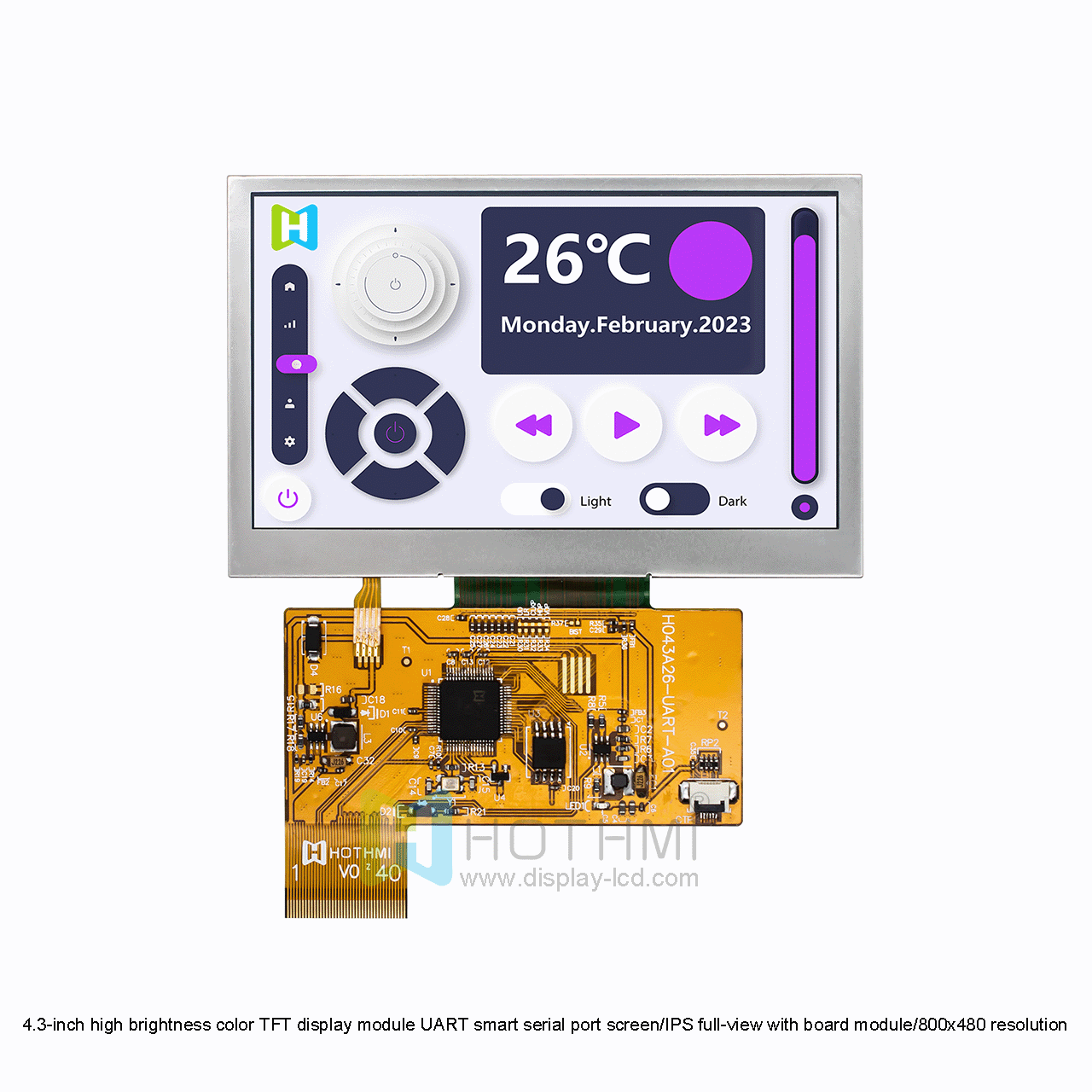
It can be, but performance depends on the touch controller, cover lens, grounding, firmware and environmental conditions. Project requirements should be tested.
It can reduce internal reflections by eliminating air gaps between selected layers. The result depends on the full optical structure.
Some capacitive solutions support glove operation, while resistive touch works differently. Glove performance must be confirmed for the selected design.
Available options depend on the project and selected display. Submit your touch, cover glass, optical and mechanical requirements for assessment.
Contact HOTDISPLAY to evaluate a sunlight-readable touch display configuration for your equipment.
What did our happy clients say?