
Hotdisplay Technology Co., Ltd
Capacitive touch is suitable for interactive interfaces requiring responsive touch input and, where supported, multi-touch gestures. Selection should consider the touch controller, cover-glass structure, operating environment and host-system compatibility.
Resistive touch can be considered for equipment with specific input methods or operating requirements. Confirm the required touch structure, controller interface and intended use before selecting a panel.
The best technology depends on the application. Provide details about gloves, moisture, cleaning, user interaction and environmental exposure when relevant.
HOTDISPLAY lists touch-panel options including:
Dimensions and structure: Customize size, shape and thickness according to project requirements.
Materials: Options include glass and PET-based structures.
Touch construction: Published structures include G+G, G+F, G+FF, P+G and P+F.
Surface treatment: Options include anti-glare, anti-fingerprint and anti-static treatments.
Cover glass: Discuss dimensions, thickness, appearance and integration with the display.
Electrical integration: Confirm the touch controller, connection, FPC and host compatibility.
Availability depends on the selected construction and project. Confirm specifications before finalizing tooling or enclosure design.
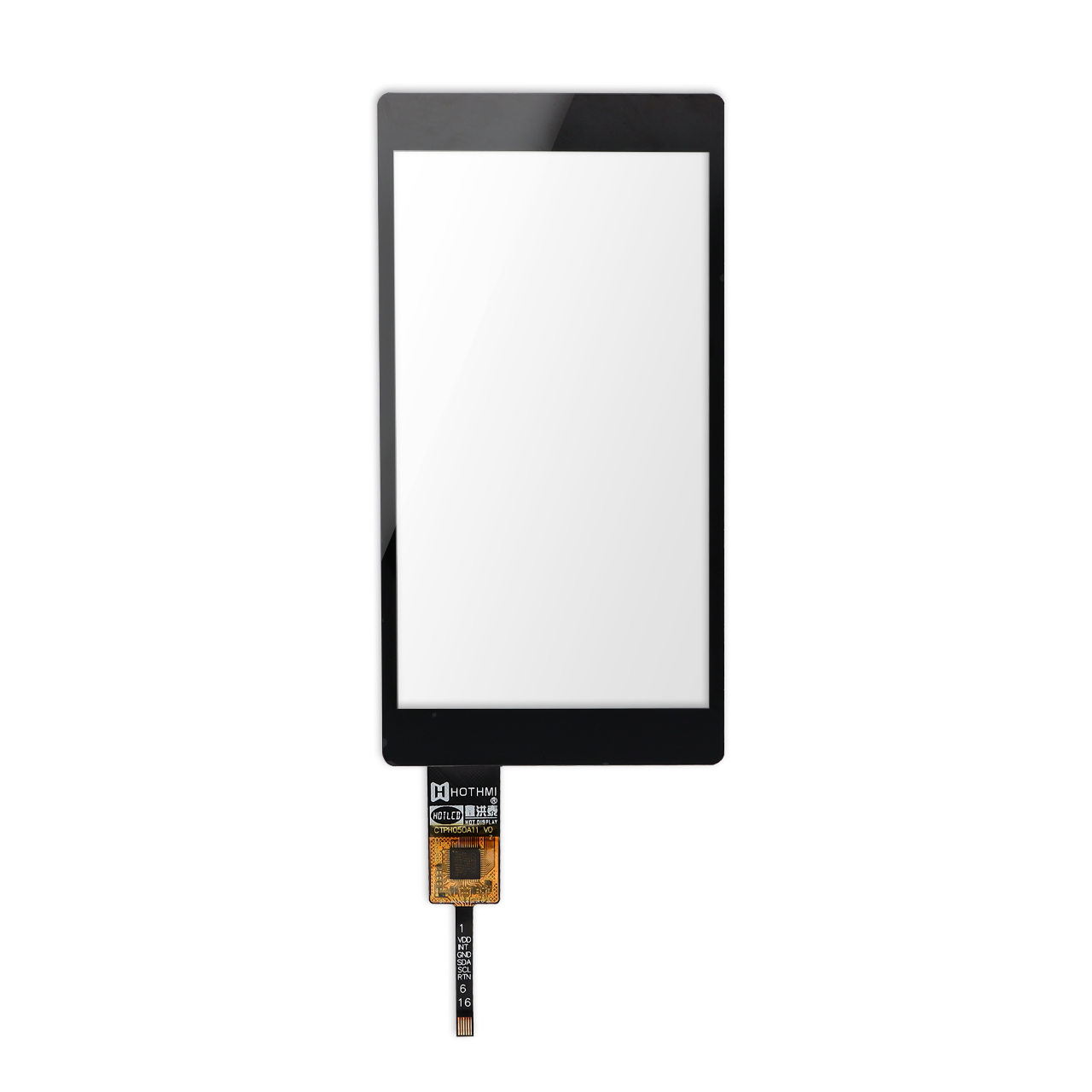
First define the display size and active area, then select capacitive or resistive touch. Confirm the cover dimensions, material, thickness, surface treatment, controller and cable routing. Finally, verify that the touch solution fits the display, housing and host system.
For outdoor or industrial equipment, consider reflections, moisture, cleaning methods, static discharge and the intended operating environment. Surface treatments and touch structures should be selected according to actual requirements rather than added without a clear purpose.
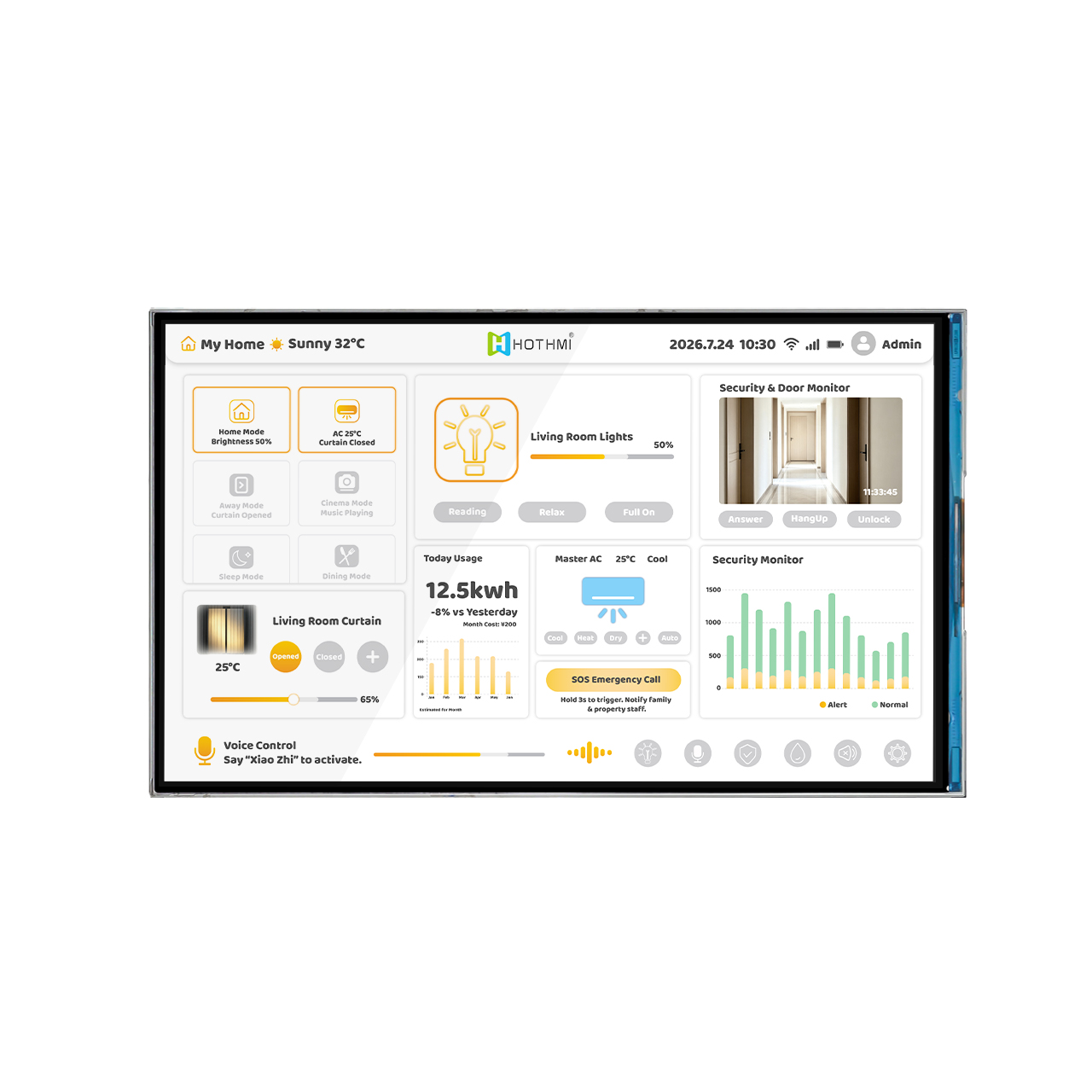
HOTDISPLAY's touch-panel solutions target industrial equipment, medical devices, automotive applications and consumer electronics. They can support interactive interfaces where touch input, mechanical fit and display visibility must be considered together.
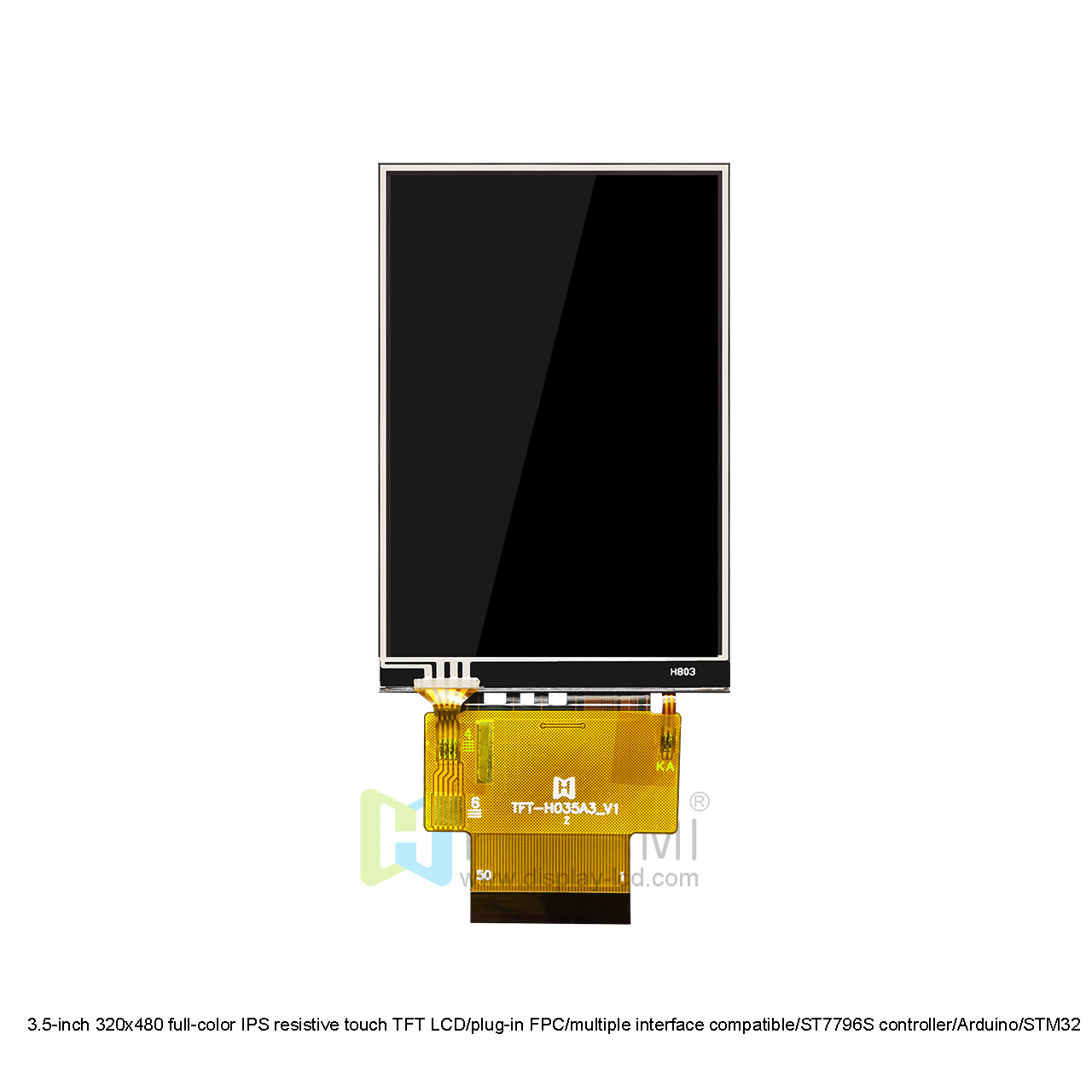
They use different touch-sensing principles and suit different operating requirements. The choice depends on interaction style, environmental conditions and controller compatibility.
HOTDISPLAY lists customization of dimensions, shape, color, thickness and materials. Confirm feasibility for the required size and construction.
They describe different combinations of glass and film layers in a touch-panel structure. The suitable construction depends on mechanical, optical and application requirements.
Provide size, shape, material, thickness, touch technology, surface treatment, interface, application and estimated quantity. Drawings or an existing part number are helpful.
Send HOTDISPLAY your display and touch requirements, cover drawings and application details to assess a suitable touch-panel configuration.
What did our happy clients say?