
Hotdisplay Technology Co., Ltd
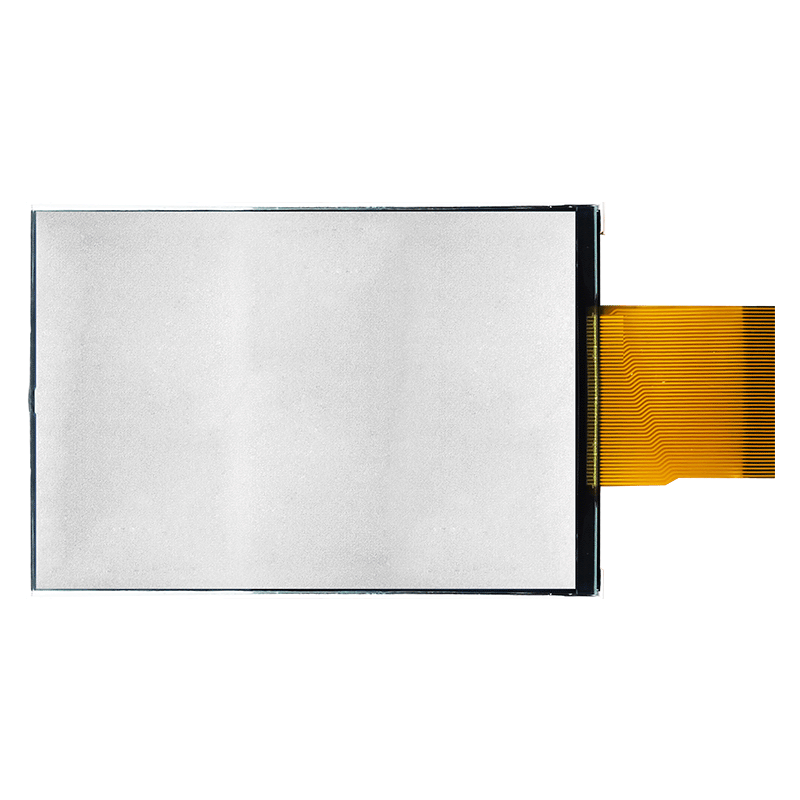 | What Is a Segment LCD Module?A segment LCD module uses a patterned electrode structure to form specific visual elements. Depending on the design, it can display numeric readings, units, indicators, status icons and selected alphanumeric characters. Common applications include meters, measuring instruments, household appliances, control panels and industrial equipment. A segment display is especially suitable when the displayed information is predictable and the product does not require arbitrary images or complex graphical interfaces. |
HOTDISPLAY's published LCD technical materials cover display technologies including TN, HTN, STN, FSTN and VA, together with different glass thicknesses, polarization modes, pin spacings and drive configurations.
The final specification should be selected according to the product's visual requirements and electrical design.
Potential design considerations include:
The segment pattern should match the information displayed by the finished product. Provide a drawing showing digits, decimal points, icons, units and any special indicators.
TN, HTN, STN, FSTN and VA technologies have different optical characteristics. Selection should consider viewing angle, contrast, background appearance and the intended viewing direction.
Reflective, transmissive and transflective configurations suit different lighting conditions. A backlight may be necessary for use in low-light environments, while reflective or transflective structures may be appropriate for designs that use ambient light.
The best configuration depends on the application and should be confirmed with HOTDISPLAY's engineers.
The LCD drive voltage, duty ratio, bias settings, connector arrangement and controller compatibility must be confirmed before production. These parameters influence display performance and the reliability of integration.
Segment LCD: Best suited to fixed numbers, symbols and predefined indicators.
Graphic LCD: Suitable for pixel-based graphics, icons, custom layouts and more flexible visual information.
Character LCD: Designed to display text using a defined character grid, such as 16 characters by 2 lines.
Choosing the right technology at the beginning can reduce unnecessary display complexity and help align the display with the product's cost, power and interface requirements.
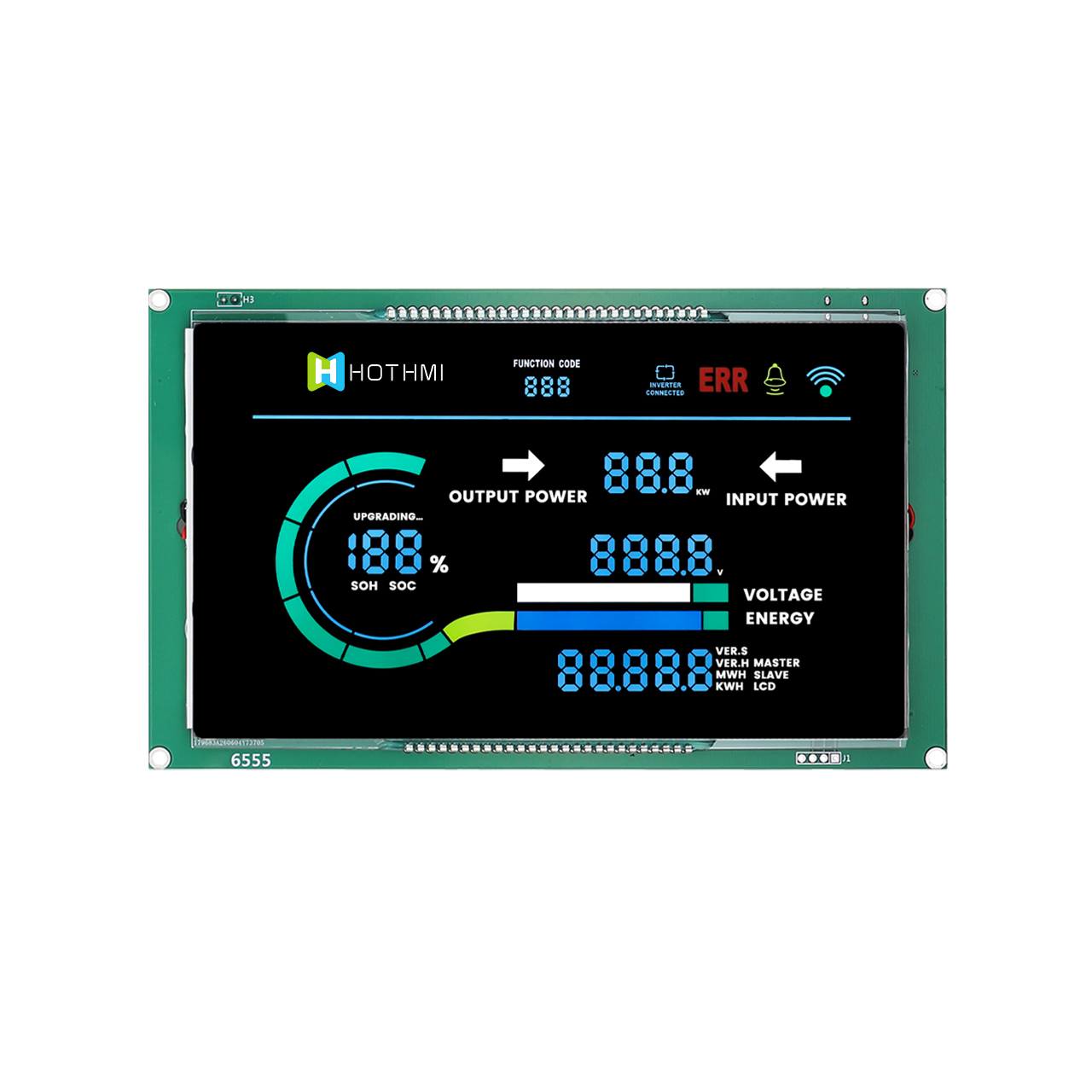
Display measured values, operating states, units and alarm indicators in instruments and control equipment.
Show temperature, time, operating modes, remaining capacity and other predefined status information.
Use a dedicated segment layout for compact instruments where readability and power consumption are important.
Display fixed parameters and status symbols without requiring a more complex graphic interface.
1. Define the displayed information. List every digit, symbol, unit and indicator required by the user interface.
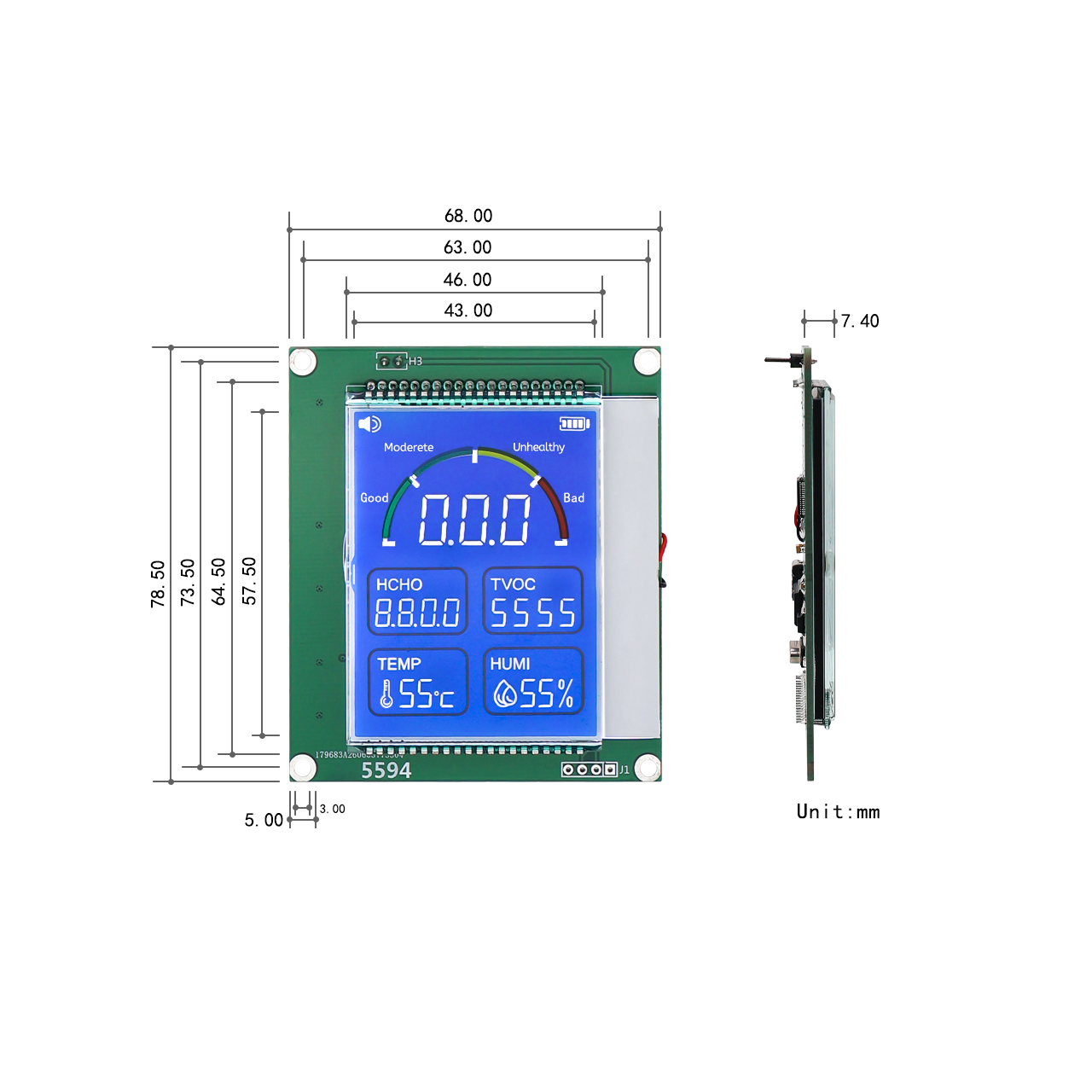
2. Confirm the mechanical dimensions. Specify glass outline, visible area, thickness, mounting constraints and connector position.
3. Select the optical mode. Define the background appearance, viewing direction, lighting conditions and whether a backlight is required.
4. Verify electrical requirements. Confirm operating voltage, duty ratio, bias, pinout and controller or driver compatibility.
5. Evaluate environmental conditions. Specify the required operating temperature, expected usage conditions and other relevant reliability requirements.
6. Validate a sample. Check actual readability, contrast, segment activation and mechanical fit in the target product before finalizing the design.
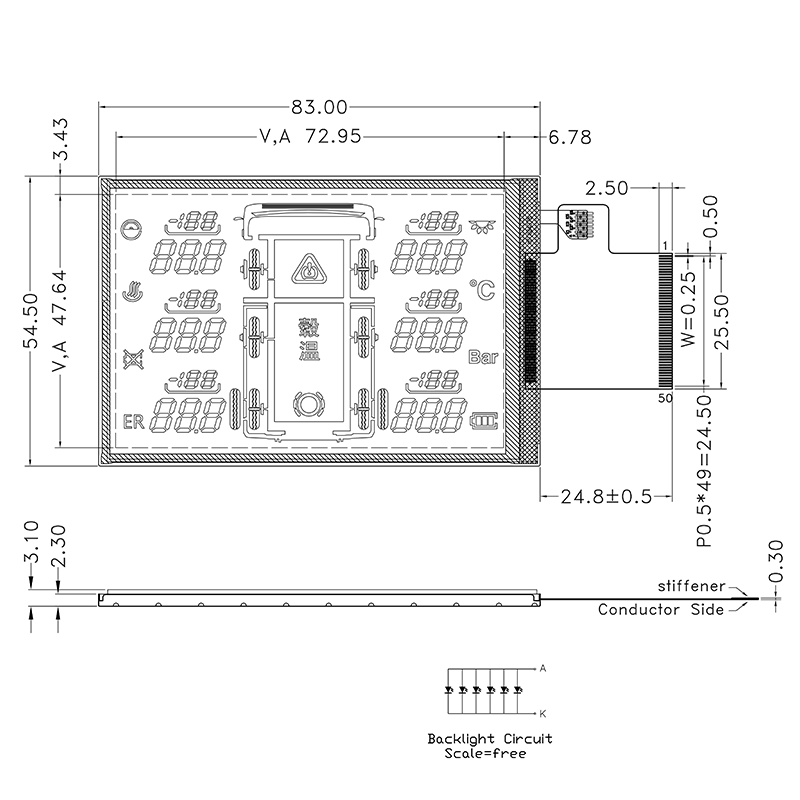
A custom pattern can be evaluated against the company's manufacturing capabilities. Provide the required digits, symbols, dimensions and a reference drawing so feasibility can be confirmed.
Segment LCDs can be a good choice for simple, static information, but actual power consumption depends on the LCD structure, drive electronics, backlight and operating conditions.
A conventional segment display is limited to its designed electrode pattern. If the product needs changing graphics or arbitrary icons, consider a graphic LCD module instead.
Reflective designs use ambient light, transmissive designs rely on a backlight, and transflective designs combine aspects of both. The appropriate choice depends on the lighting environment and desired display appearance.
Provide the segment layout, glass dimensions, display mode, operating voltage, connector requirements, target application and estimated project quantity.
Provide the original part number, datasheet, glass drawing or clear photographs. Electrical and mechanical compatibility must be evaluated before confirming a replacement.
HOTDISPLAY helps customers evaluate LCD display configurations for meters, instruments, appliances and control equipment.
Send your display drawing, target dimensions and electrical requirements to discuss a suitable segment LCD module for your project.
What did our happy clients say?