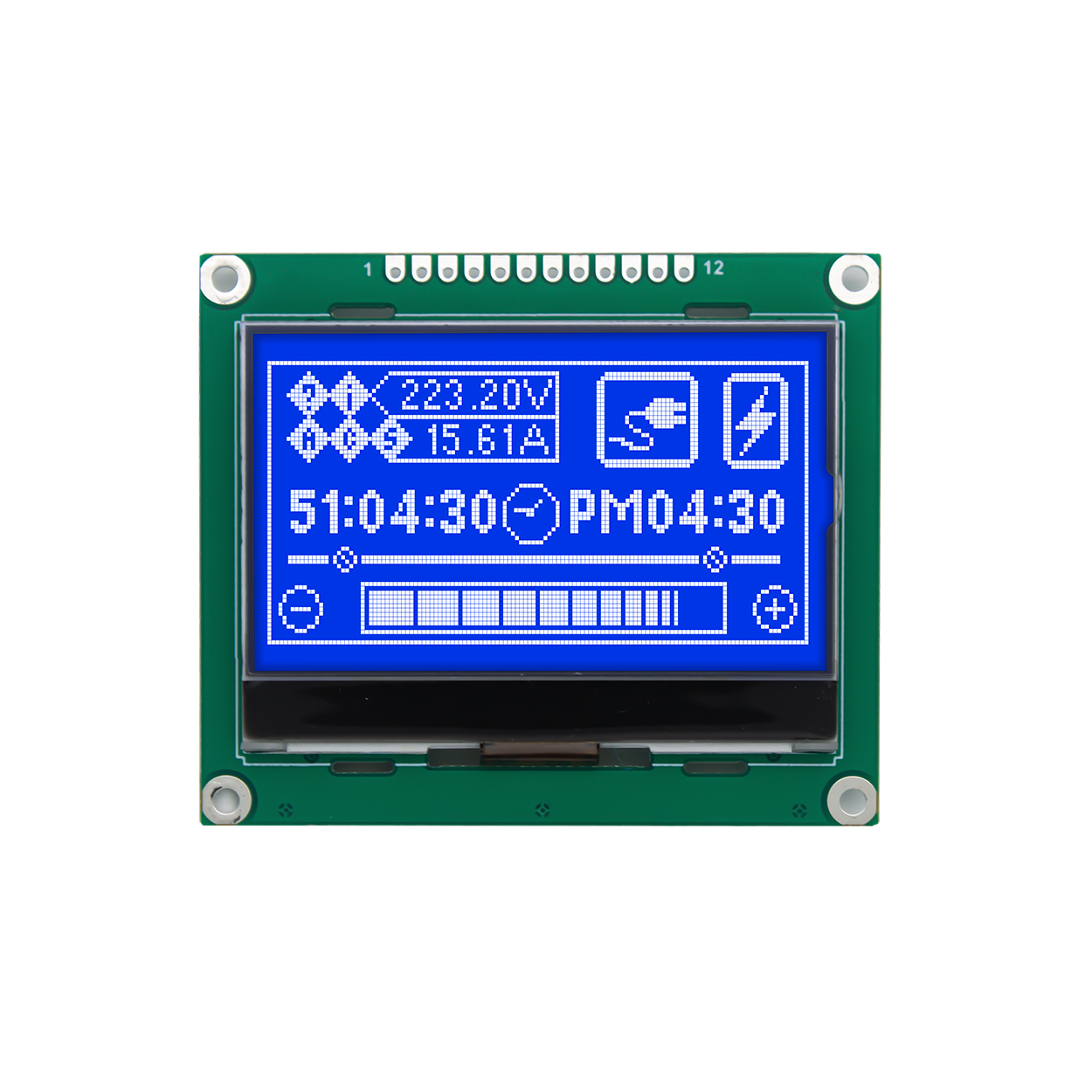
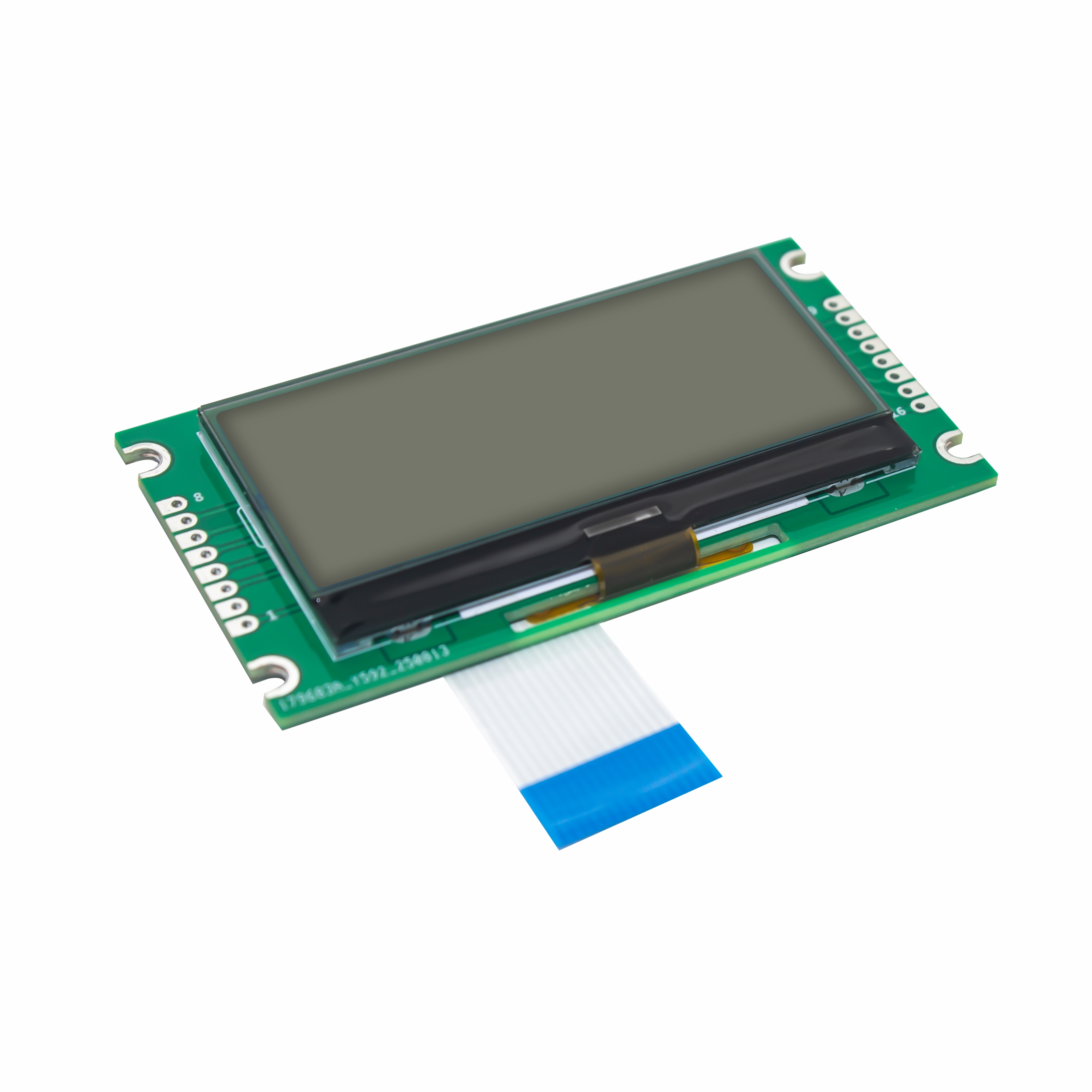
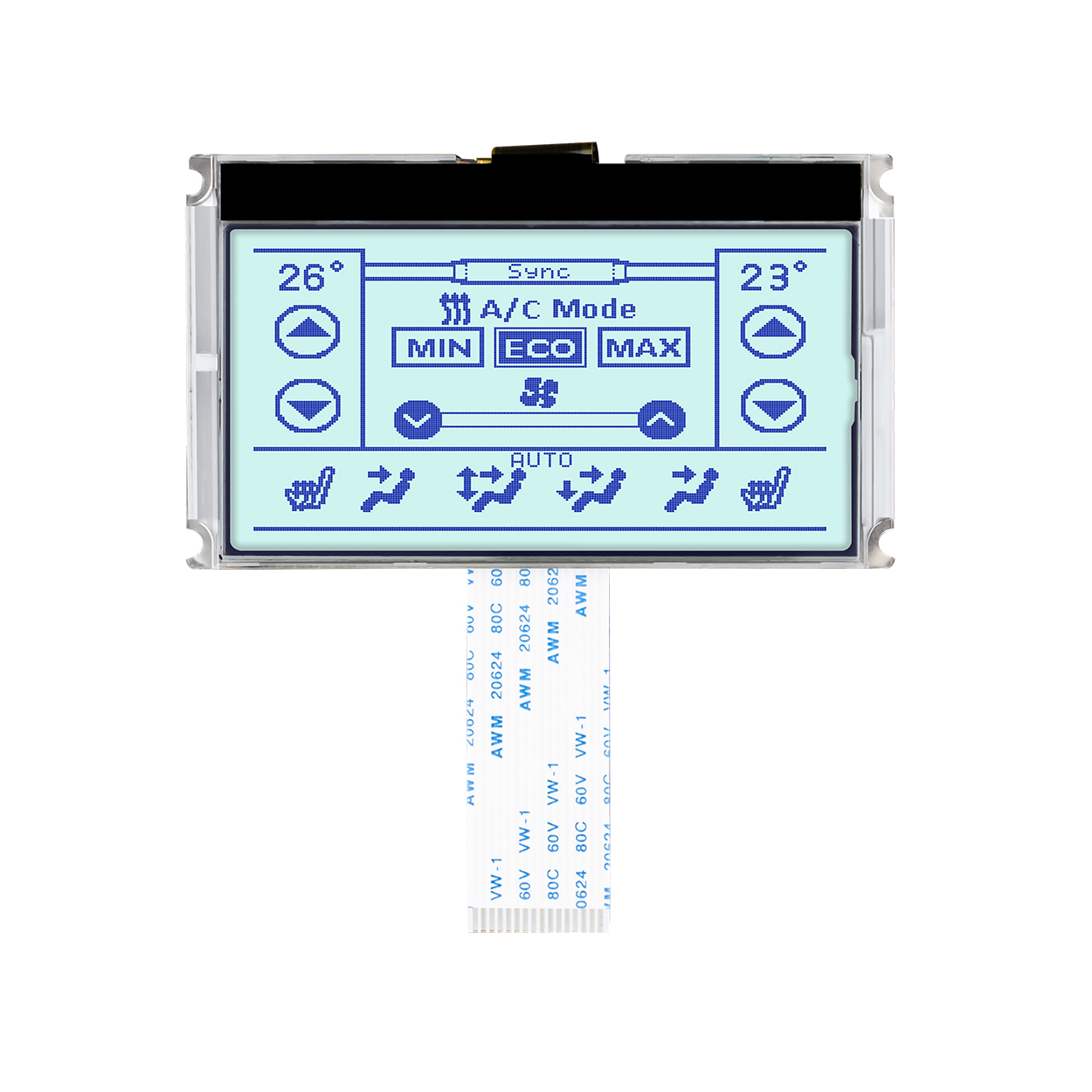
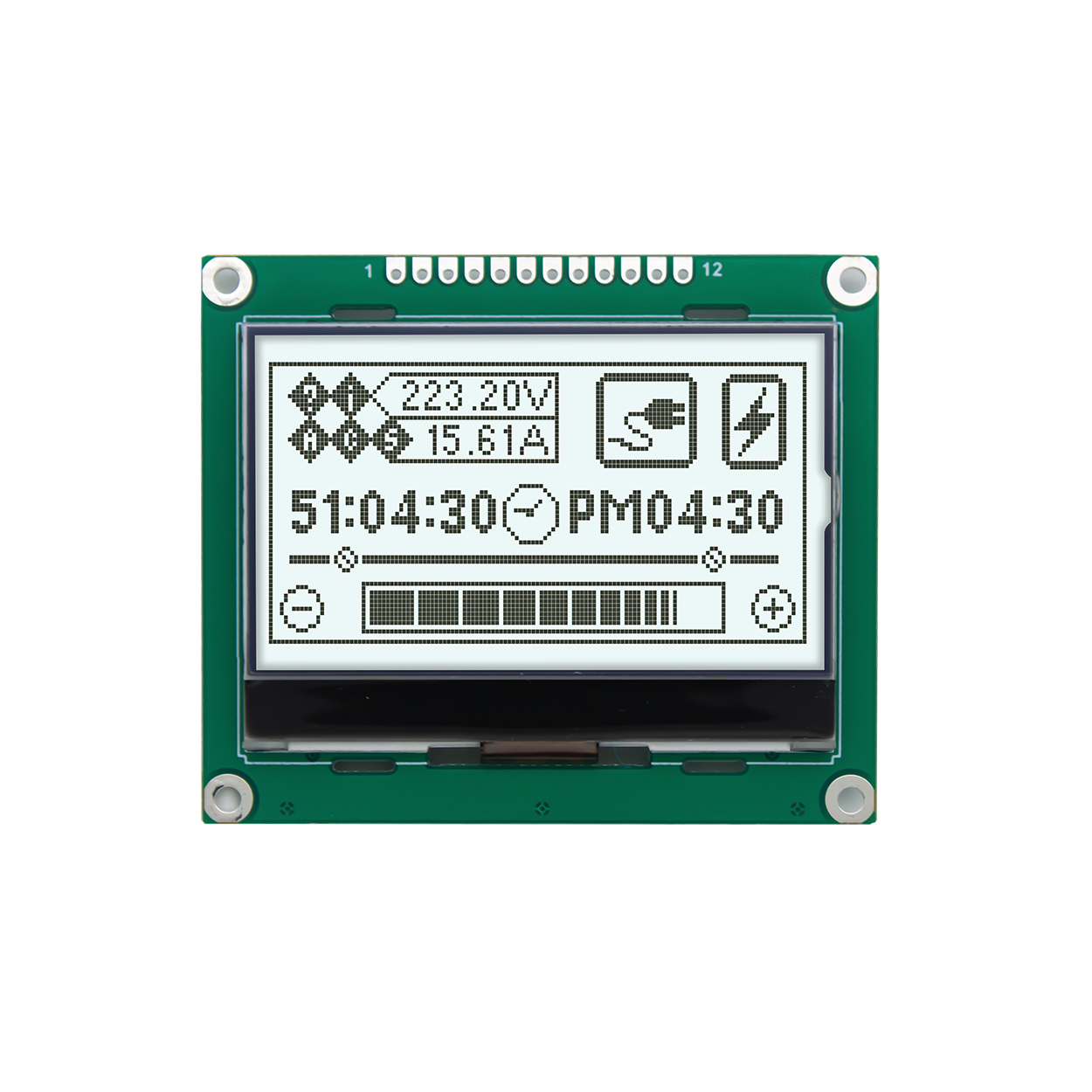
Graphic LCD Module

Graphic LCD Modules for Custom Text, Icons and Graphics

A graphic LCD module is a pixel-addressable liquid crystal display that allows a device to show text, symbols, icons, simple diagrams and custom graphical layouts. Unlike a character LCD, which uses predefined character cells, a graphic LCD provides greater flexibility in how information is arranged on the screen.

HOTDISPLAY offers graphic LCD module options for industrial and commercial applications, with different resolutions, display technologies, backlight configurations and mechanical formats.

Whether you are developing an instrument interface, an industrial controller or a medical device, the right graphic LCD module can help present more information within a compact display area while meeting the hardware constraints of the product.

Types of Graphic LCD Module for Sale at Hotdisplay

Page 1 of 0

Custom TFT LCD Display You Need, Contact Hotdisplay Now

All Products
Select Any Product
Request A Quote Now
Graphic LCD Module

What Is a Graphic LCD Module?

A graphic LCD module displays information through a matrix of individually addressable pixels. The controller and host software determine which pixels are activated, allowing the display to present custom text, symbols, menus, measurement results and simple graphical elements.

This makes a graphic LCD suitable for products that require more flexible layouts than a segment LCD or standard character LCD can provide.

Key Graphic LCD Module Selection Factors

Resolution and Pixel Density

Choose resolution according to the amount of information shown, icon complexity, font size and viewing distance. A higher pixel count provides more layout flexibility but may also affect controller requirements and system resources.

LCD Technology and Display Mode

HOTDISPLAY's product range includes monochrome LCD configurations with different optical characteristics. Evaluate contrast, background appearance, viewing direction and ambient-light conditions when comparing models.

Backlight and Readability

The backlight color and brightness influence readability and the finished product's appearance. Consider whether the screen will be used indoors, in low light or under strong ambient lighting.

Controller IC and Host Compatibility

Confirm the driver IC, supported interface, initialization sequence, logic voltage, pinout and available software resources. The host must be able to address the selected resolution and communicate with the display controller.

Mechanical Dimensions

Check the overall module size, active area, viewing area, thickness, mounting holes, FPC or pin-header arrangement and available enclosure space.

HOTDISPLAY Graphic LCD Module Range

HOTDISPLAY's published graphic LCD catalogue includes resolutions such as:

  • 122×32 and 160×32 for compact information displays.

  • 128×64 and 132×64 for common monochrome graphic interfaces.

  • 128×128 and 160×160 for more flexible square-format layouts.

  • 160×80, 160×128 and 192×128 for additional text and graphic content.

  • 192×64 and 240×64 for wide-format information displays.

  • 320×240 for applications requiring a larger monochrome pixel matrix.

Availability, LCD technology and other parameters vary by model. These resolutions are examples from the published product range, not a guarantee that every configuration is available in every size.

HOTDISPLAY Graphic LCD Module Range

Graphic LCD vs. Character LCD vs. TFT LCD

Graphic LCD: Suitable for monochrome graphics, custom icons, variable text placement and simple menus.

Character LCD: Suitable for predefined character grids, such as 16×2 or 20×4, where the interface mainly displays text and numbers.

TFT LCD: Suitable for applications that need color images, richer graphics, animation or more complex visual interfaces.

The right technology depends on the required display content, software complexity, power budget, viewing conditions and total system cost.

Graphic LCD vs. Character LCD vs. TFT LCD

Applications of Graphic LCD Modules

Industrial Control and HMI

Display machine status, parameter settings, operating menus, alarms and simple diagrams.

Medical and Laboratory Instruments

Present measurements, operating modes, prompts and instrument status in a compact monochrome interface.

Meters and Measurement Equipment

Show readings, measurement units, trend indicators and configurable information screens.

Automotive and Equipment Instrumentation

Support selected instrument interfaces that require monochrome graphics and clearly arranged status information.

Embedded Electronic Devices

Provide custom icons, menus and text layouts in devices where a full-color display is unnecessary.

Applications of Graphic LCD Modules

How to Choose a Graphic LCD Module

  • Step 1: Define the user interface. Identify required text, icons, numbers, menus and graphic elements.

  • Step 2: Select the resolution. Estimate the required pixel matrix based on the layout and desired readability.

  • Step 3: Check controller compatibility. Match the driver IC and communication interface to the host processor or MCU.

  • Step 4: Confirm optical requirements. Evaluate LCD technology, viewing direction, backlight and ambient-light conditions.

  • Step 5: Verify mechanical integration. Confirm module dimensions, mounting structure, connector and cable routing.

  • Step 6: Test with the actual hardware. Verify initialization, pixel mapping, contrast, backlight control and the complete user interface.

Frequently Asked Questions

Q1: Can a graphic LCD display custom fonts and icons?

Generally, yes. The host software can generate pixel patterns for fonts and icons, subject to the controller architecture and available display memory. Some modules also support built-in functions or character resources.

Q2: Does a graphic LCD module include a controller?

This depends on the selected model. Confirm the driver IC, controller functionality and any additional PCB or adapter requirements in the datasheet.

Q3: What interface should I choose?

Choose from the interfaces actually supported by the available module and your host. Check signal timing, voltage, pinout, data-transfer requirements and software support before selection.

Q4: Can I replace a 128×64 graphic LCD with a higher-resolution model?

Not necessarily as a direct replacement. A different resolution may require changes to the mechanical design, controller, interface, firmware and display initialization.

Q5: Can the backlight color be customized?

HOTDISPLAY's published customization information includes multiple backlight color options for relevant monochrome display products. Availability depends on the model and project requirements.

Q6: Can a graphic LCD be used outdoors?

It may be suitable if the selected display's optical characteristics, backlight, temperature rating and enclosure meet the application requirements. Outdoor readability should be validated under actual lighting conditions.

Q7: What should I provide when requesting a quotation?

Provide the required resolution, screen dimensions, interface, controller requirements, backlight preference, operating temperature, application and estimated quantity.

Request a Graphic LCD Module for Your Application

HOTDISPLAY can help evaluate graphic LCD modules for industrial controls, instruments and embedded products.

Share your interface requirements, target resolution and mechanical drawing to identify a suitable model and assess any necessary integration or customization.

Contact us today

let us boost your business today!
  • Production Competency Production Competency
  • Warranty Assurance Warranty Assurance
  • Expert R&D Team Expert R&D Team
  • Competitive price Competitive price
  • Customization Excellence< Customization Excellence
  • Quality Control Quality Control
All of your questions will be answered by our team in a very quick/effective way.
  • verify code

Hot Products