
Hotdisplay Technology Co., Ltd
A big size TFT LCD display is a larger-format thin-film transistor LCD module designed to provide more visual information than compact display panels.
The 7–15.6 inch range covers a broad group of professional display requirements rather than one specific application.
Depending on the equipment, customers may need:
The correct configuration depends on the complete equipment design. | 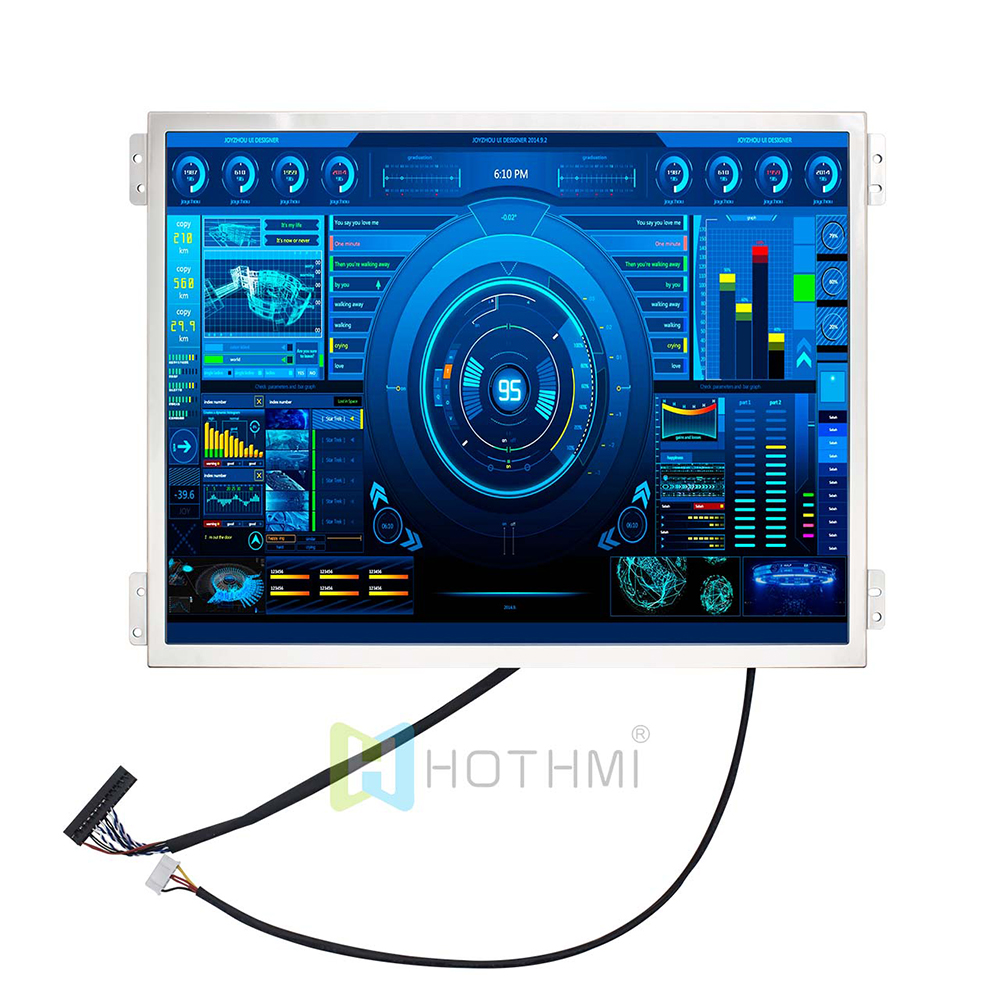 |
| Size | Typical Selection Focus |
|---|---|
| 7 Inch TFT LCD | Compact industrial equipment, HMI and embedded systems |
| 7.8 Inch TFT LCD | Medium-format equipment and specialized displays |
| 8 Inch TFT LCD | Industrial control, embedded equipment and monitoring |
| 8.6 Inch TFT LCD | Wide-format and specialized display applications |
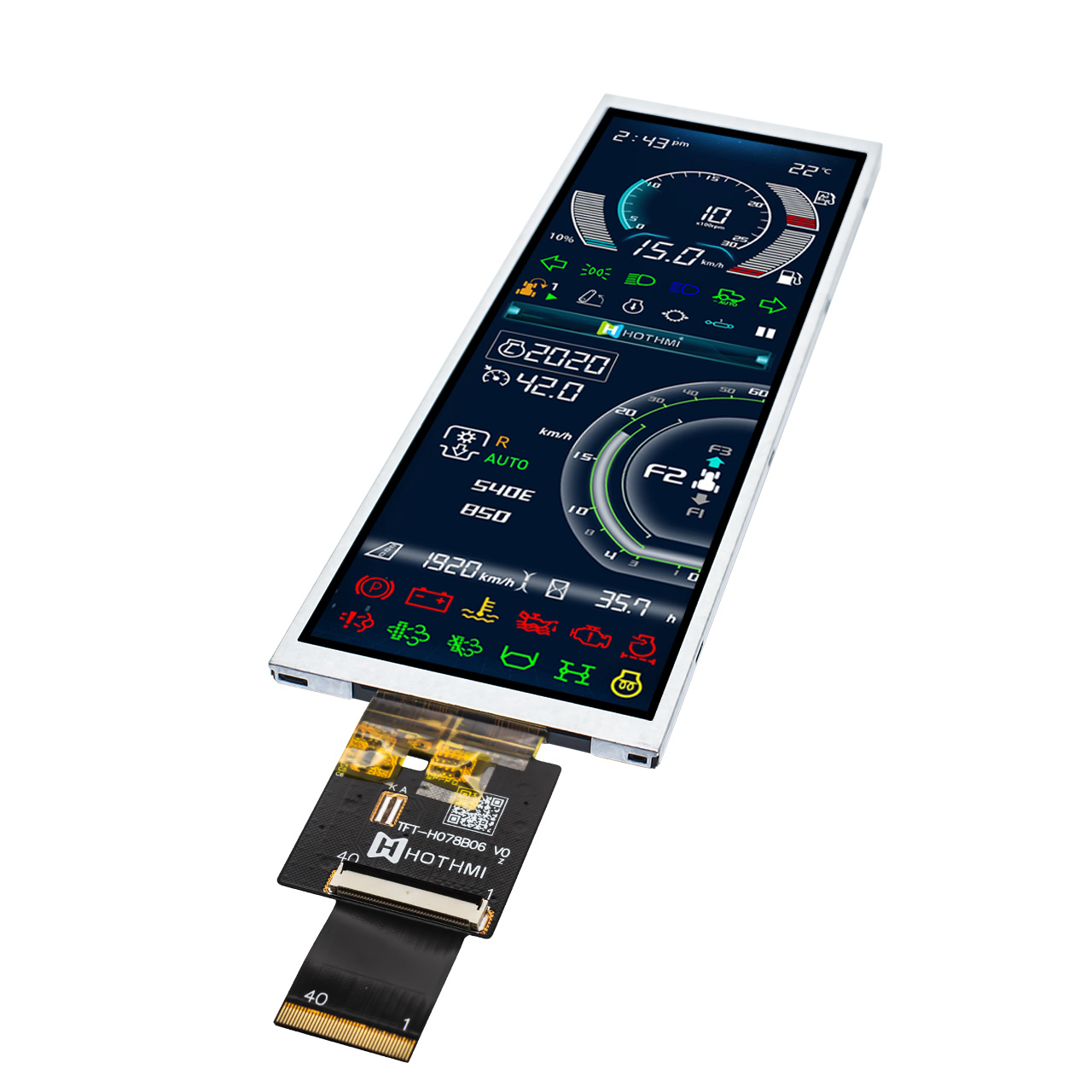
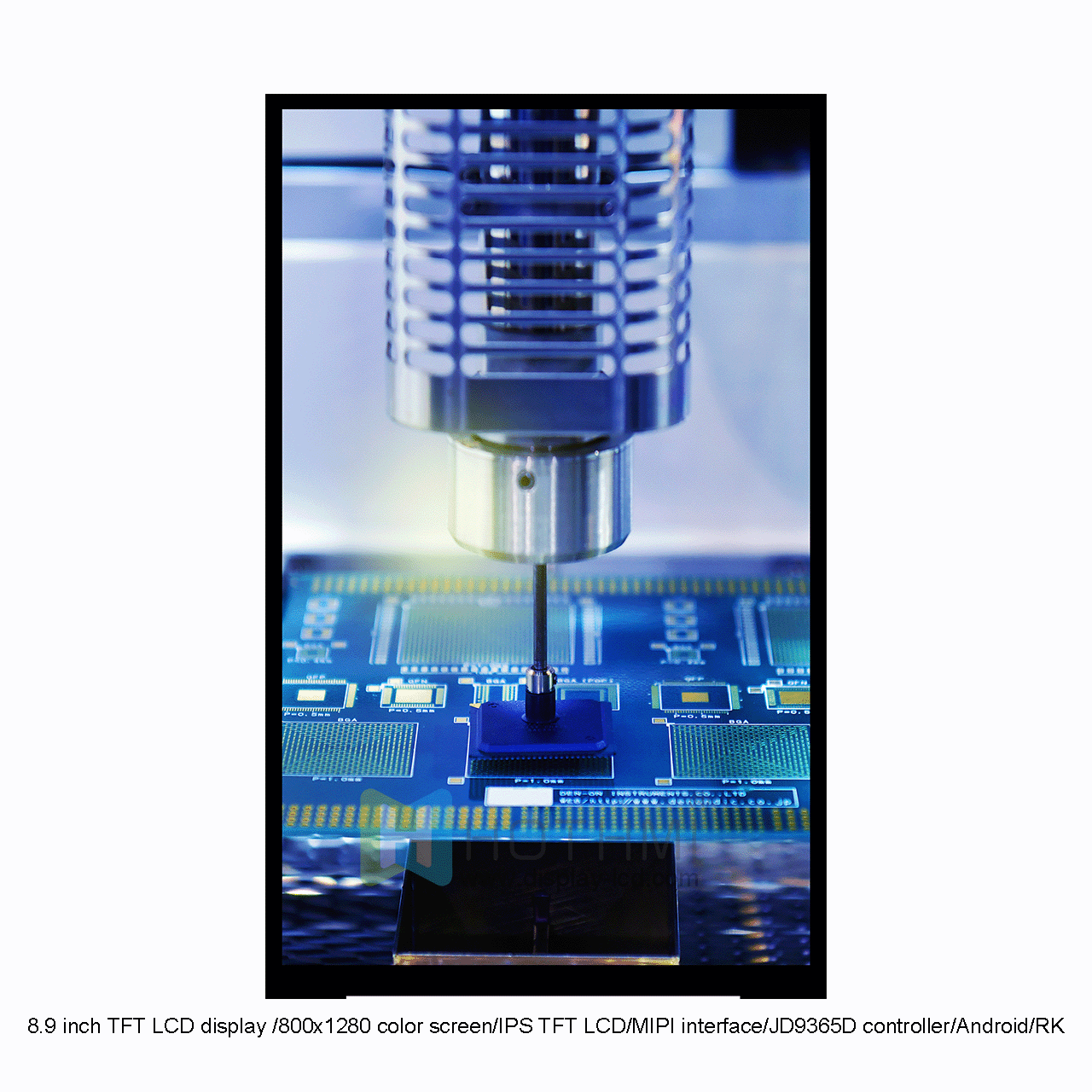
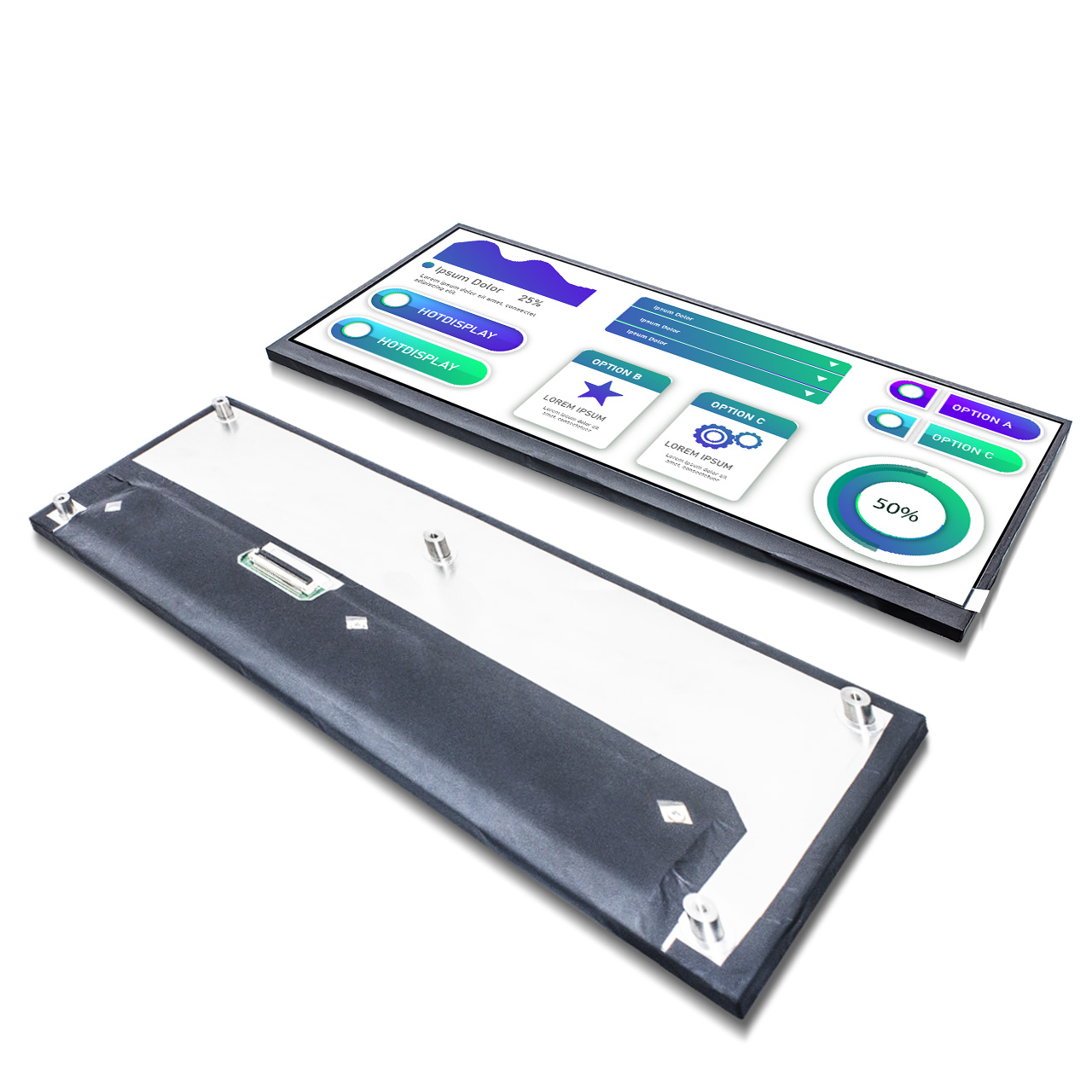
| 8.9 Inch TFT Display | Compact wide-format equipment and professional systems |
| 9 Inch TFT LCD | Industrial HMI, embedded systems and monitoring |
| 10.1 Inch TFT LCD | HMI, industrial computers, medical and interactive equipment |
| 10.3 Inch TFT LCD | Wide-format HMI, vehicle and embedded applications |
| 10.4 Inch TFT LCD | Industrial control, instrumentation and professional equipment |
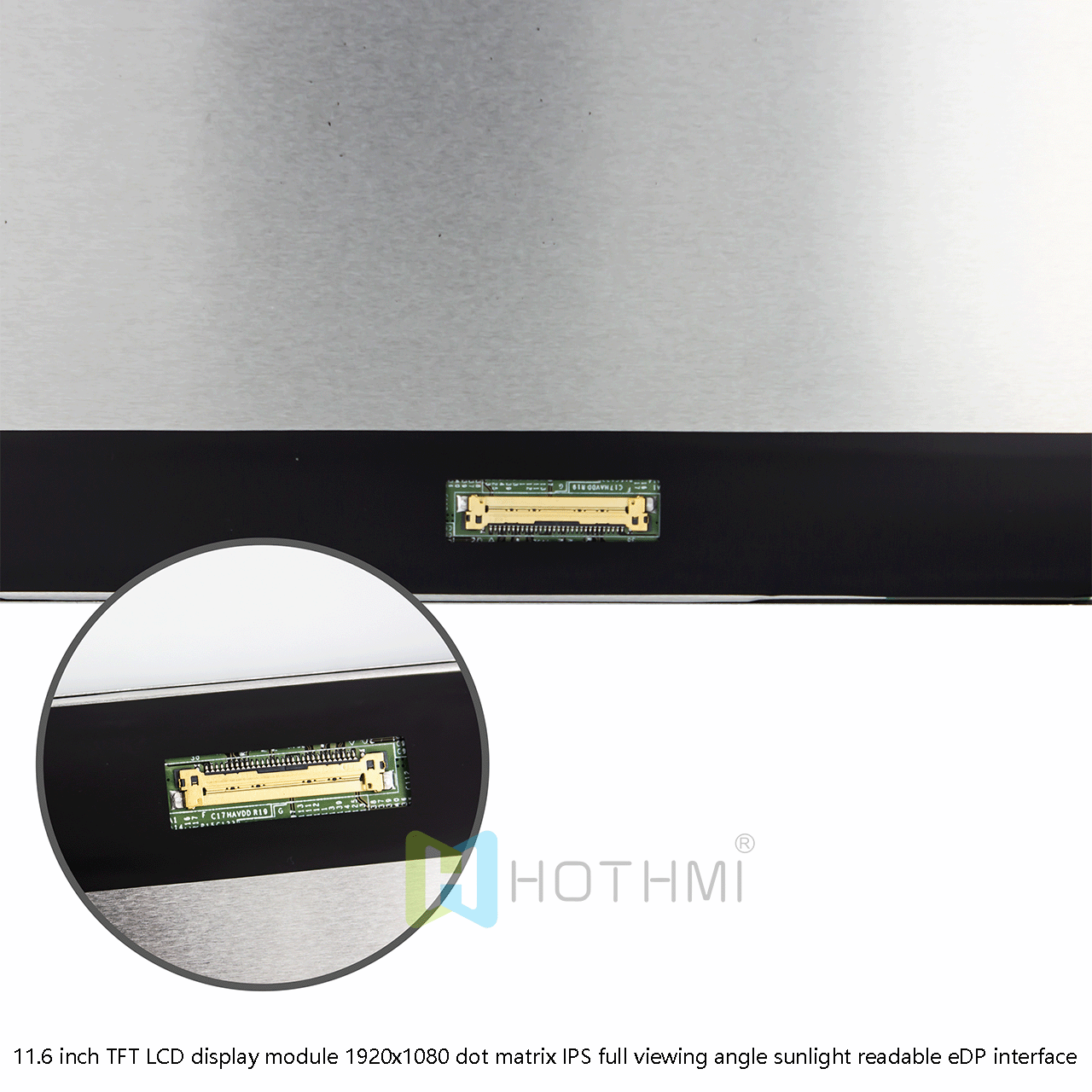
| 11.6 Inch TFT LCD | Industrial computers, embedded systems and vehicle equipment |
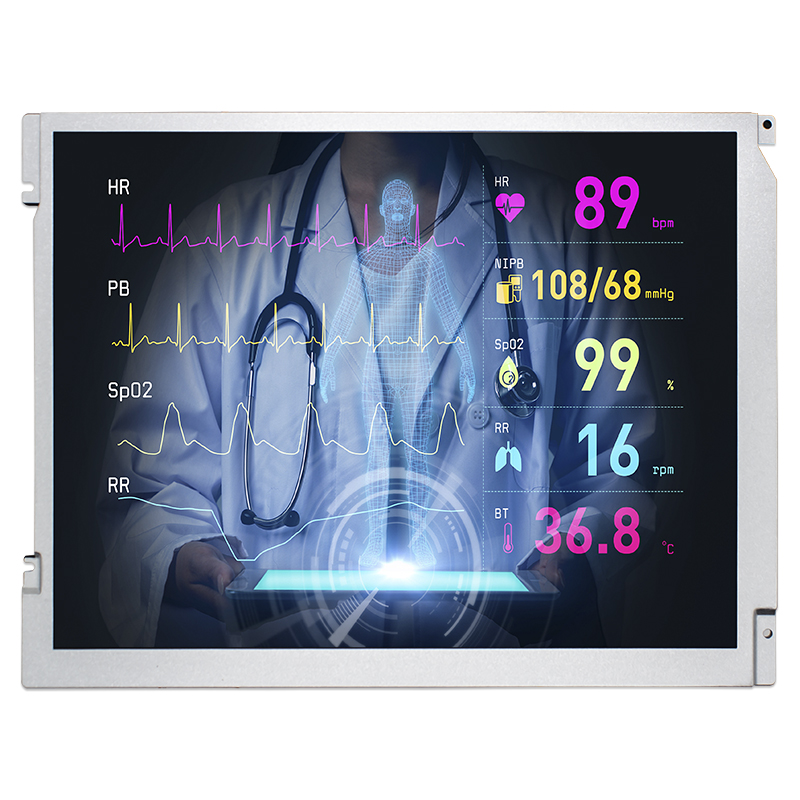
| 12.1 Inch TFT LCD | Industrial HMI, medical equipment and professional monitors |
| 12.3 Inch TFT LCD | Wide-format automotive, industrial and monitoring displays |
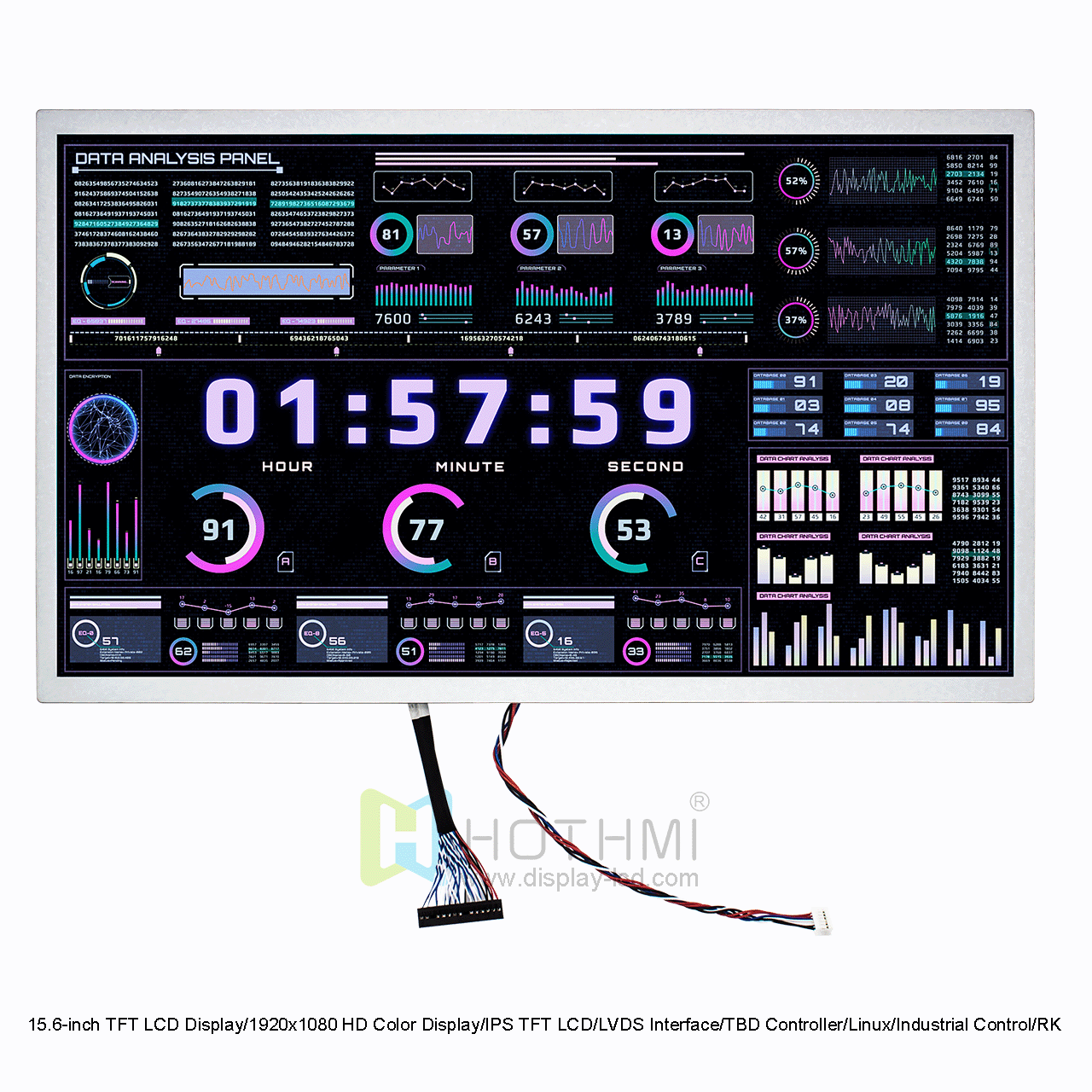
| 15.6 Inch TFT LCD | Large HMI, industrial computers and information-rich interfaces |
Select the required size to view detailed products, specifications and available configurations.
Larger displays are often used for information-rich interfaces. High-resolution options provide clearer text, graphics, dashboards and equipment data.
IPS options are suitable when users view the display from different positions. This is particularly important for control panels and equipment operated by multiple users.
High-brightness options are available for environments with strong ambient lighting.
However, brightness should be evaluated together with:
cover glass + reflection + optical bonding + surface treatment + installation angle.
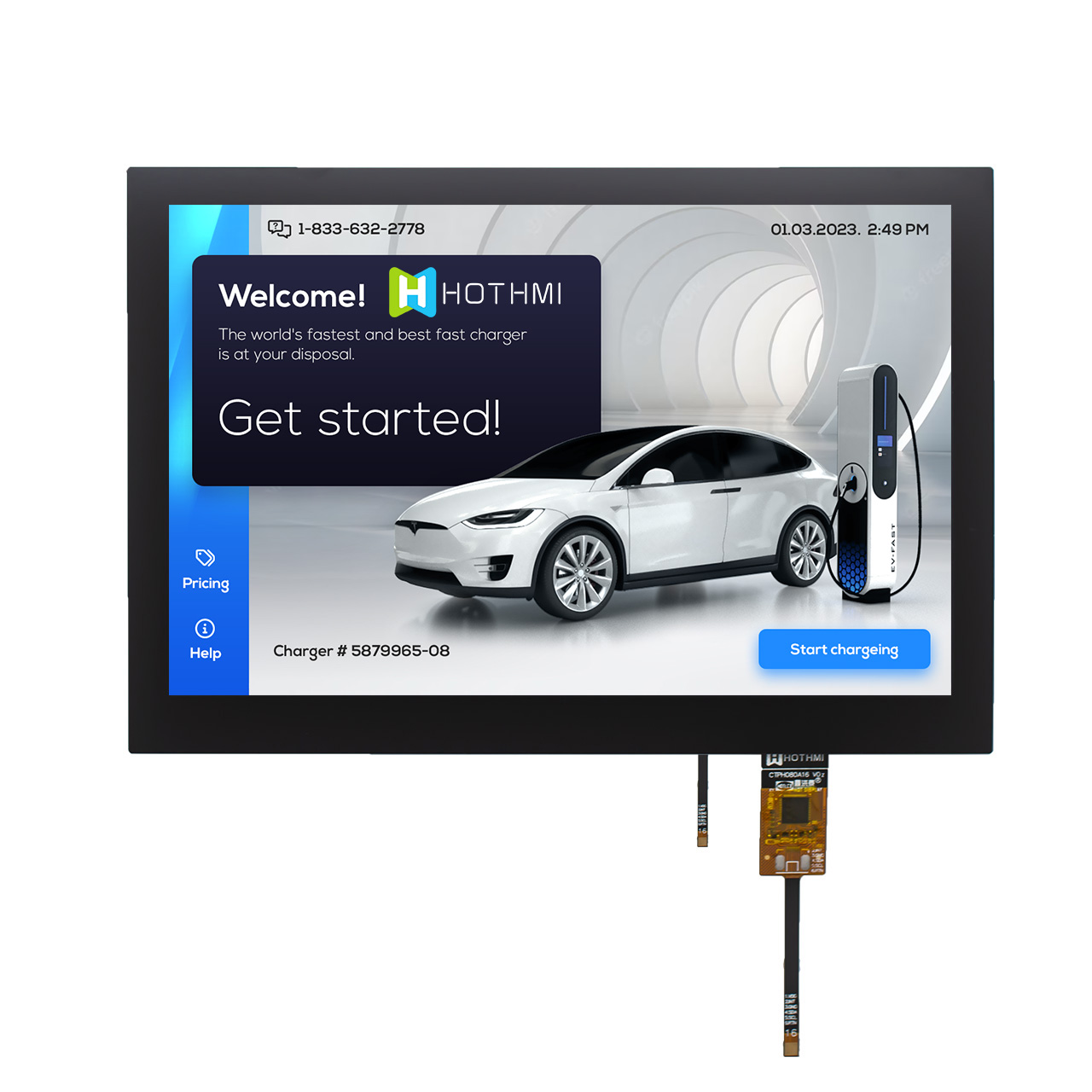
For interactive applications, HotDisplay can provide capacitive or resistive touch solutions depending on the project.
Touch selection should consider:
|
|
Industrial and vehicle applications may require wider operating temperature ranges.
The display should be evaluated according to the actual temperature inside the enclosure rather than the surrounding ambient temperature alone.
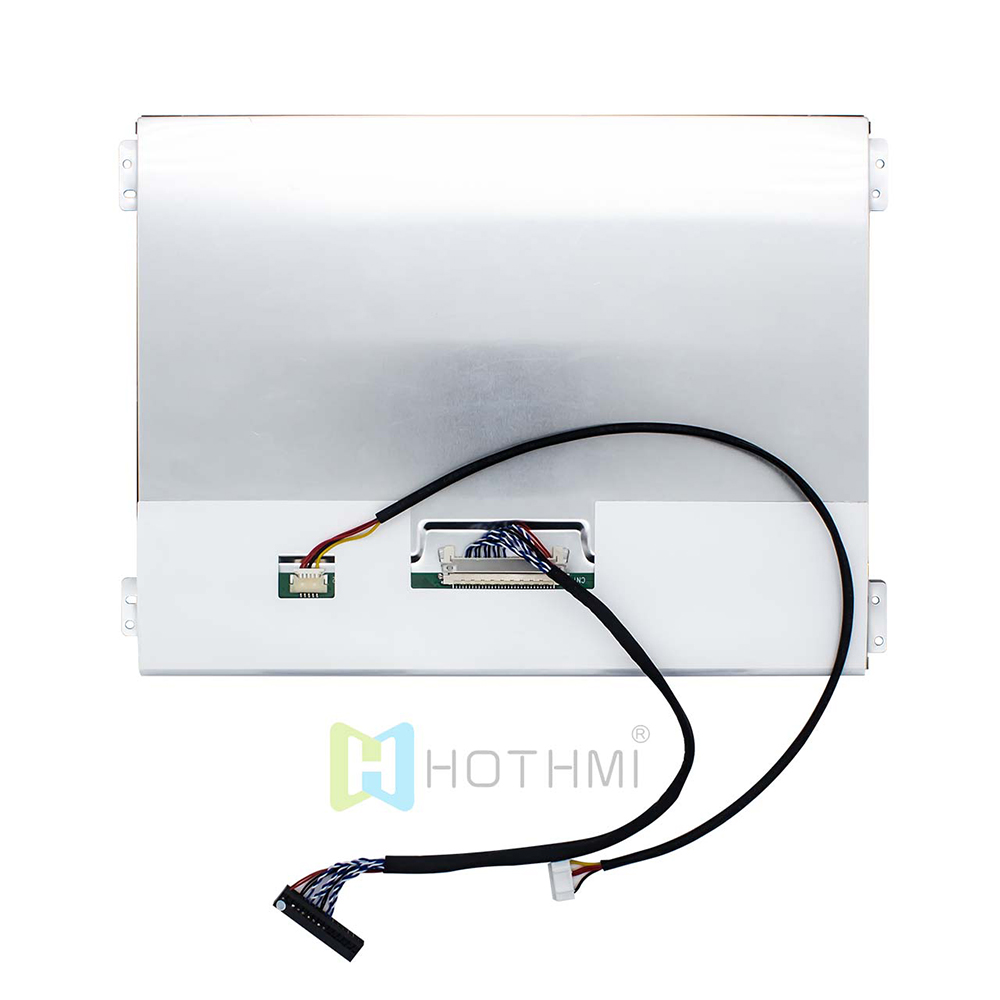
HotDisplay is not limited to supplying standard LCD modules.
As a professional TFT LCD display manufacturer and solution provider, HotDisplay works with customers from display selection through engineering integration and production.
We evaluate:
Size
Resolution
Brightness
Viewing angle
Interface
Temperature
Mechanical dimensions
Touch requirements
The objective is to identify a panel that matches the actual equipment rather than simply selecting the largest or brightest screen.
HotDisplay can help review the relationship between the LCD and the host system.
The engineering evaluation may include:
Host Board → Controller → Interface → FPC → LCD → Backlight
This helps identify potential LVDS, eDP, MIPI, RGB or other interface compatibility problems before production.
For interactive displays, HotDisplay can integrate:
LCD + Touch Sensor + Controller + Cover Glass + FPC
The touch structure is designed according to the application, front-panel requirements and host system.
The FPC is an important part of display integration.
HotDisplay can evaluate:
Cable length
Connector position
Connector orientation
Pin assignment
Routing
Bending requirements
This is particularly important for compact equipment where standard cable routing does not fit the enclosure.
For demanding applications, HotDisplay can evaluate:
This provides a more complete solution than simply increasing LCD brightness.
Before mass production, HotDisplay can support sample evaluation and compatibility verification.
The objective is to confirm:
Display → Host Board → Touch → Mechanical Structure → Power → Thermal Conditions
as a complete system.
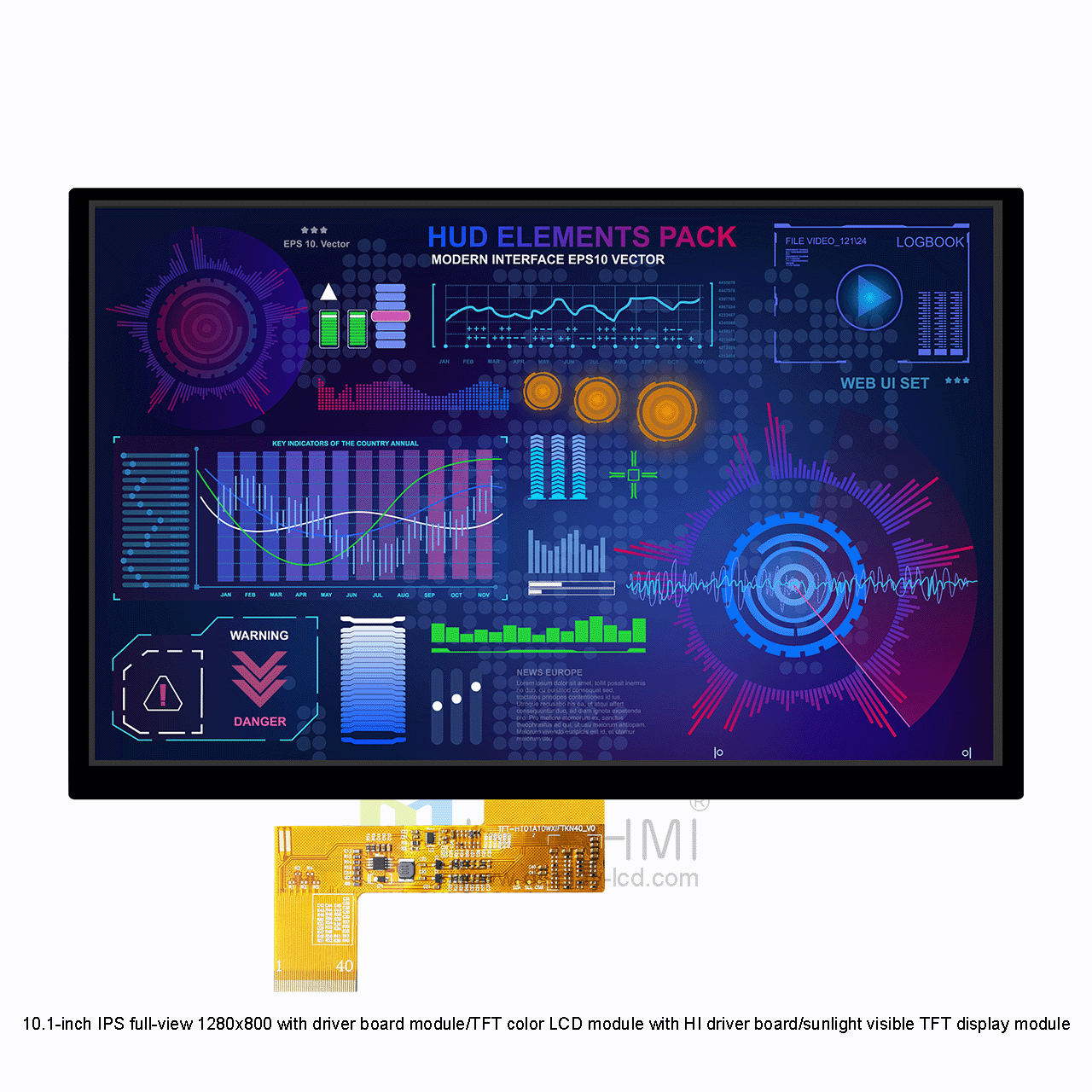
A 1000 cd/m² display may provide significantly better visibility than a standard 300–500 cd/m² panel, but direct sunlight can still create strong reflections.
For outdoor applications, evaluate the complete optical stack.
Higher backlight brightness can increase power consumption and heat generation.
When the display is installed inside an enclosed industrial computer or panel, thermal accumulation must be considered.
Adding a touch panel and cover glass changes the display stack.
It may affect:
The final assembly should therefore be evaluated as a complete module.
For 12.1-inch and 15.6-inch displays in particular, the enclosure must account for:
The diagonal screen size alone cannot determine whether a display will fit.
First define where the display will be installed.
For example:
Industrial HMI
Industrial PC
Medical equipment
Vehicle-mounted equipment
Control panel
Monitoring system
Measurement instrument
Interactive terminal
Embedded computer
Professional equipment
The application determines the required brightness, temperature range, viewing angle, touch technology and mechanical structure.
Screen size should be determined by the available installation space and the amount of information that must be displayed.
A larger screen is not always better.
Consider:
viewing distance + enclosure size + active area + mounting space + user interface requirements.
Resolution affects image detail and software interface design.
Common requirements within this size range include:
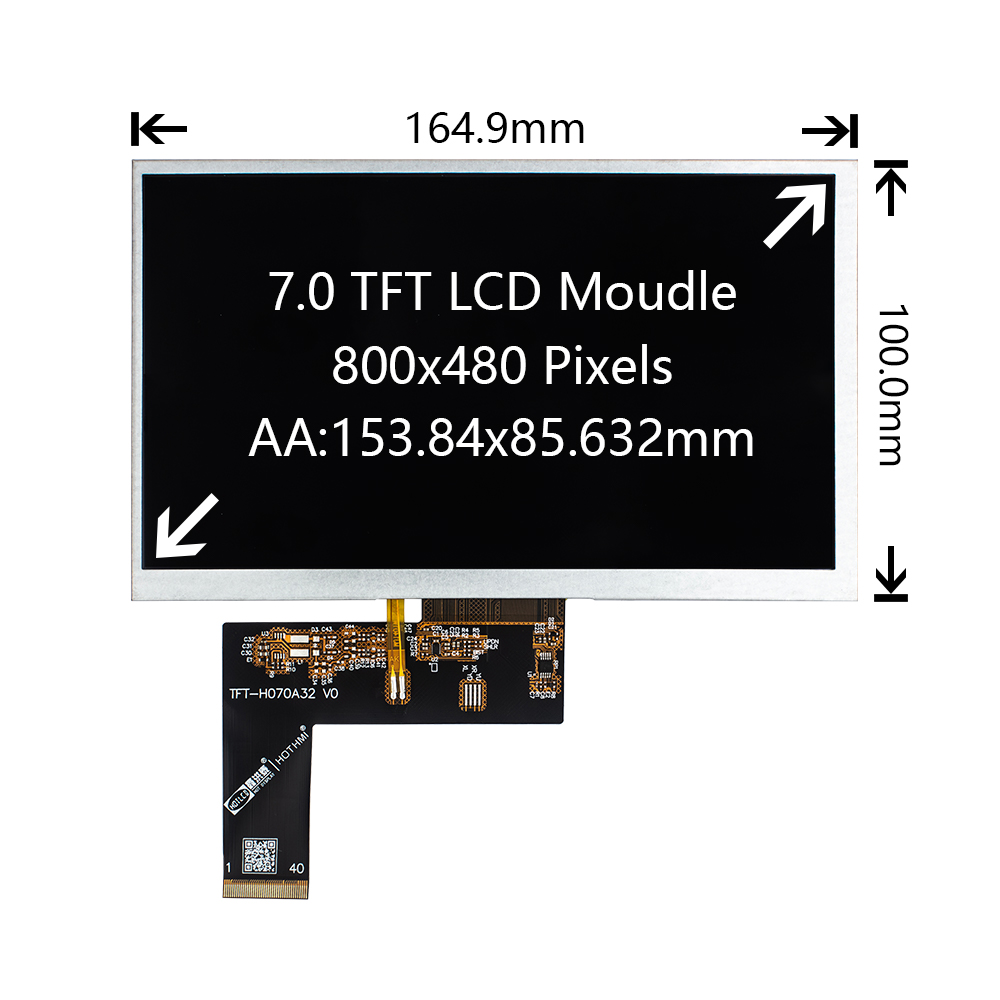
800×480
800×600
1024×600
1024×768
1280×800
1280×720
1920×1080
The host system must support the selected resolution.
The LCD interface must match the host board.
Depending on the model, HotDisplay supports display solutions using interfaces such as:
LVDS
eDP
MIPI DSI
RGB
MCU
SPI / QSPI
HDMI through appropriate controller solutions
A connector that physically fits does not necessarily mean the display is electrically compatible.
Timing, pin assignment, signal configuration and controller support must be checked before ordering.
Before requesting a quotation, prepare the following information:
Display size
Required resolution
Host interface
Brightness requirement
Touch requirement
Mechanical dimensions
Operating temperature
Application
Target quantity
Project schedule
If replacing an existing display, provide the current LCD model number or datasheet whenever possible.
HotDisplay can then evaluate whether the existing display can be directly replaced or whether an interface, FPC, touch or mechanical adaptation is required.
The most common issue is interface incompatibility.
Resolution, timing, pinout, channel configuration, connector definition and backlight control must all match.
Two LCD modules may use the same connector size but have completely different pin definitions or signal configurations.
Always compare the complete datasheet before purchasing.
Cover glass and optical layers can increase reflection and reduce perceived brightness.
For high-brightness applications, evaluate the complete display assembly rather than the LCD panel alone.
The backlight generates heat, and enclosed equipment can prevent that heat from dissipating efficiently.
The display and enclosure should be tested together under actual operating conditions.
The LCD panel, driver IC, backlight components and other materials may have different lifecycle conditions.
For long-term industrial products, discuss product lifecycle, revision control, change notification and replacement planning before mass production.
Depending on the model and project requirements, HotDisplay can evaluate customization of touch, FPC, cover glass, interface and other display components.
Customization feasibility should be confirmed by engineering before commercial commitment.
HotDisplay combines TFT LCD products, engineering support, customization and manufacturing capabilities to provide customers with a complete display solution.
Instead of simply asking:
“Which 15.6-inch LCD do you have?”
we recommend evaluating:
What does your equipment require, and which display configuration will provide the best long-term solution?
HotDisplay can support customers through:
Application Analysis → Display Selection → Interface Matching → Touch/FPC Design → Optical & Mechanical Integration → Sample Testing → Production → Quality Control → Long-Term Supply
This approach helps customers reduce common project risks before they become expensive production problems.
Choose the required display size to compare products, specifications and available solutions:
7" → 7.8" → 8" → 8.6" → 8.9" → 9" → 10.1" → 10.3" → 10.4" → 11.6" → 12.1" → 12.3" → 15.6"
If you are not sure which size or configuration is suitable, send HotDisplay your application, host interface and mechanical requirements. Our team can help identify the appropriate TFT LCD solution before you purchase.
What did our happy clients say?