
Hotdisplay Technology Co., Ltd
RGB interfaces transmit parallel pixel data and synchronization signals. They are suitable for many embedded display applications requiring responsive graphical output and relatively straightforward pixel-data transmission.
MIPI DSI uses high-speed serial communication and is commonly considered for compact devices requiring high image bandwidth with fewer signal connections than traditional parallel interfaces.
LVDS transmits data using differential signaling. It is commonly used in industrial displays and larger TFT LCD applications where signal integrity and system-level noise management are important.
SPI uses serial communication with relatively few signal connections, making it useful for compact embedded products. MCU interfaces, commonly based on 8080 or 6800-style parallel communication, are another option for controller-driven displays.
Embedded DisplayPort is designed for high-bandwidth display applications and can be considered when the host platform and display architecture support the standard.
Before selecting a display, confirm the host processor or graphics controller, supported interface protocols, target resolution, frame rate, color depth, available pins, FPC pinout, logic voltage and initialization requirements.
A display with the correct physical connector may still be incompatible if its electrical signaling, timing, pin assignment or driver requirements do not match the host system.
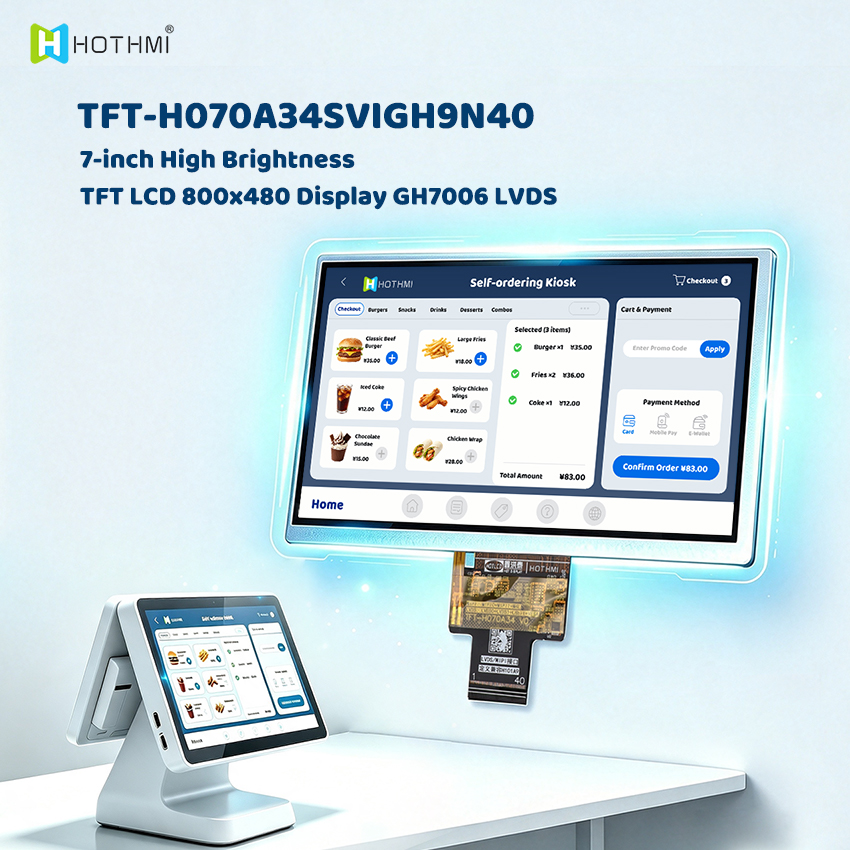
HOTDISPLAY helps customers identify suitable TFT LCD options based on application requirements and available product specifications. Depending on the selected display and project scope, the evaluation can include interface compatibility, resolution, driver IC, touch integration, display dimensions and mechanical constraints.
For customized projects, provide your host platform, target display size, resolution, preferred interface, operating environment and annual demand. This information helps narrow the selection to practical display candidates.
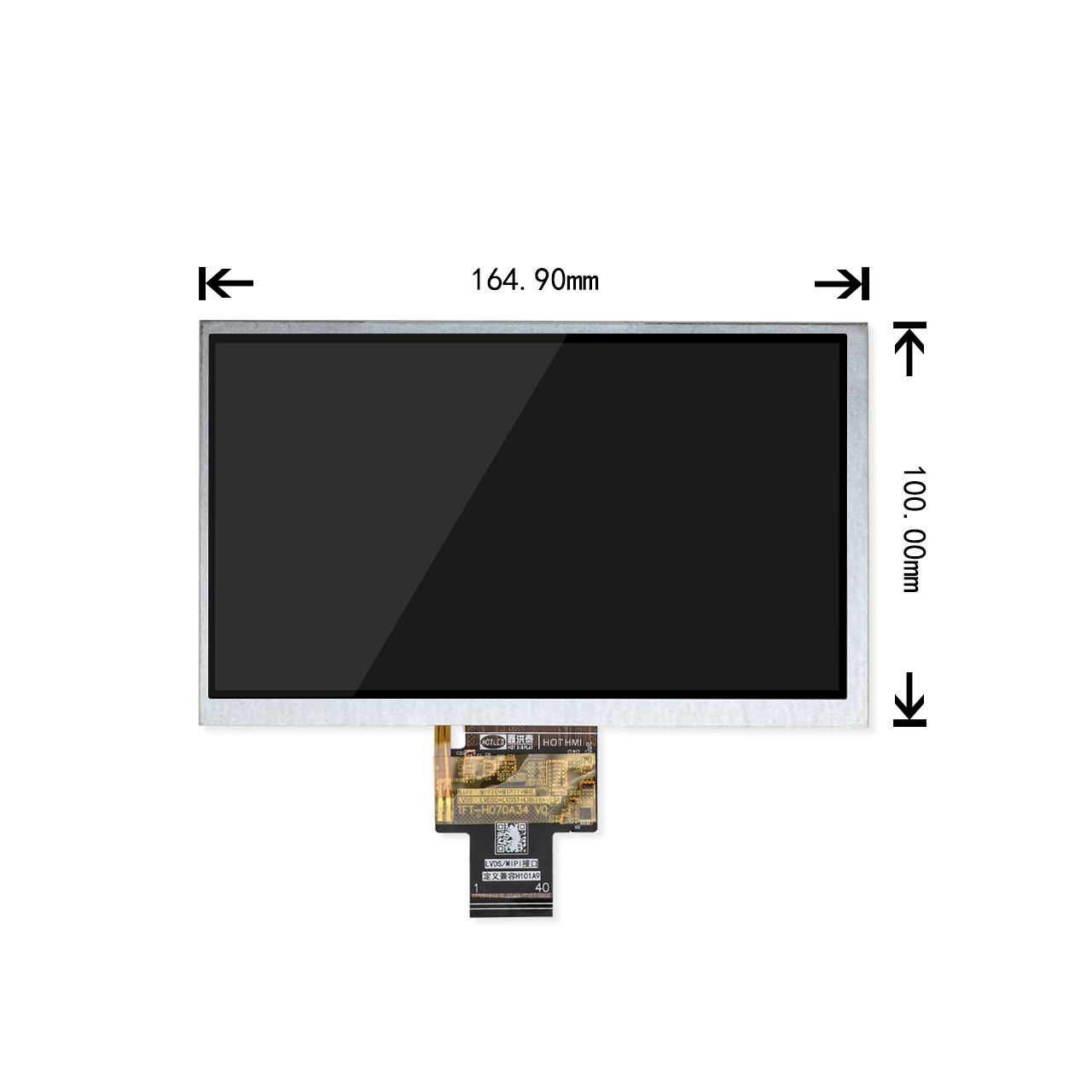
There is no universal best interface. RGB, MIPI DSI, LVDS, SPI, MCU and eDP each serve different system architectures. Selection should begin with host compatibility and required display performance.
Not automatically. The host must support MIPI DSI, and the electrical interface, timing, driver, connector and software configuration must be compatible.
Yes. The interface bandwidth, host capability, pixel format and timing requirements all affect the resolution and refresh rate that a system can support.
Provide the required size, resolution, interface, host processor, brightness, touch requirements, operating temperature and mechanical dimensions.
Contact HOTDISPLAY with your display requirements to identify suitable interface options and discuss product customization for your next embedded or industrial display project.
What did our happy clients say?