
Hotdisplay Technology Co., Ltd
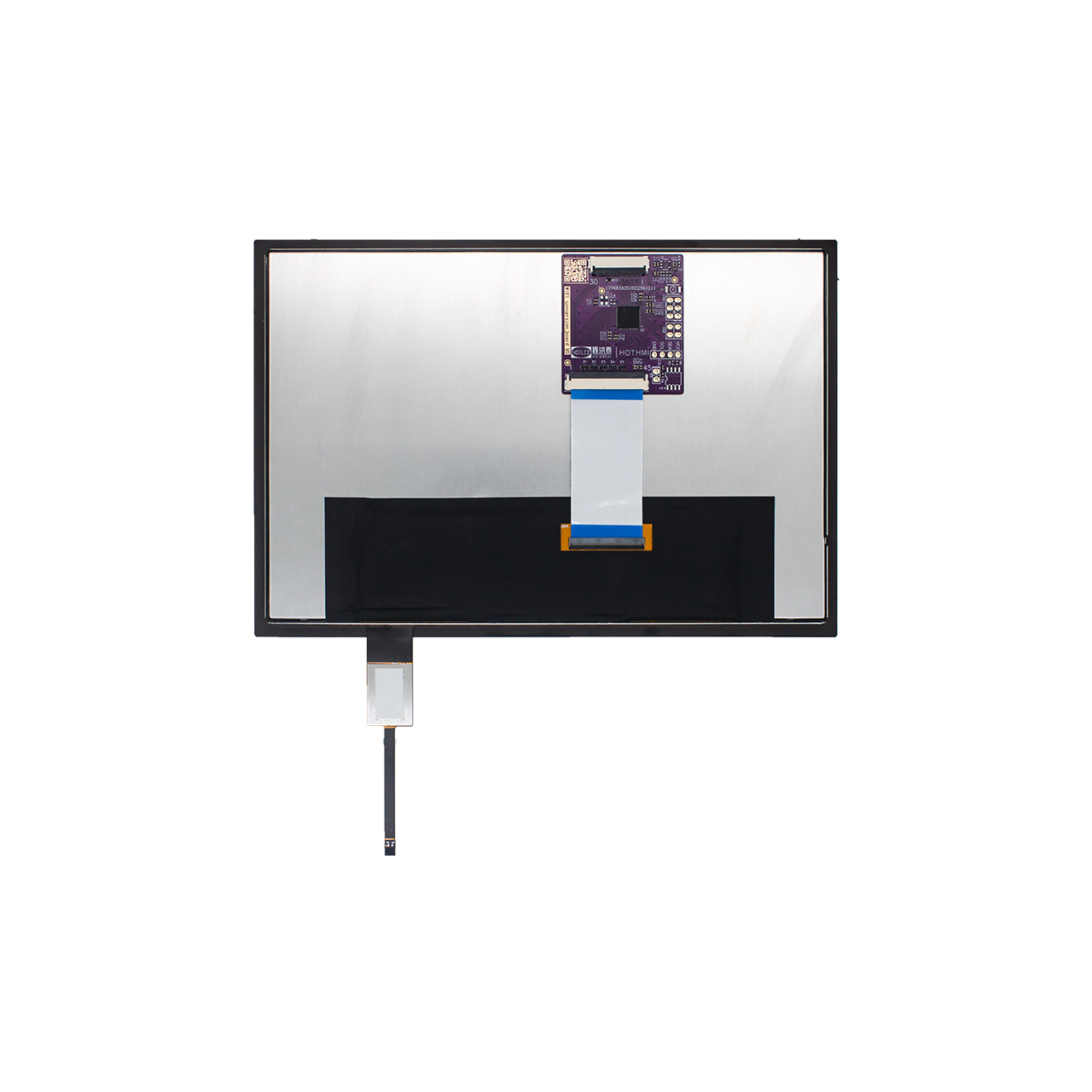
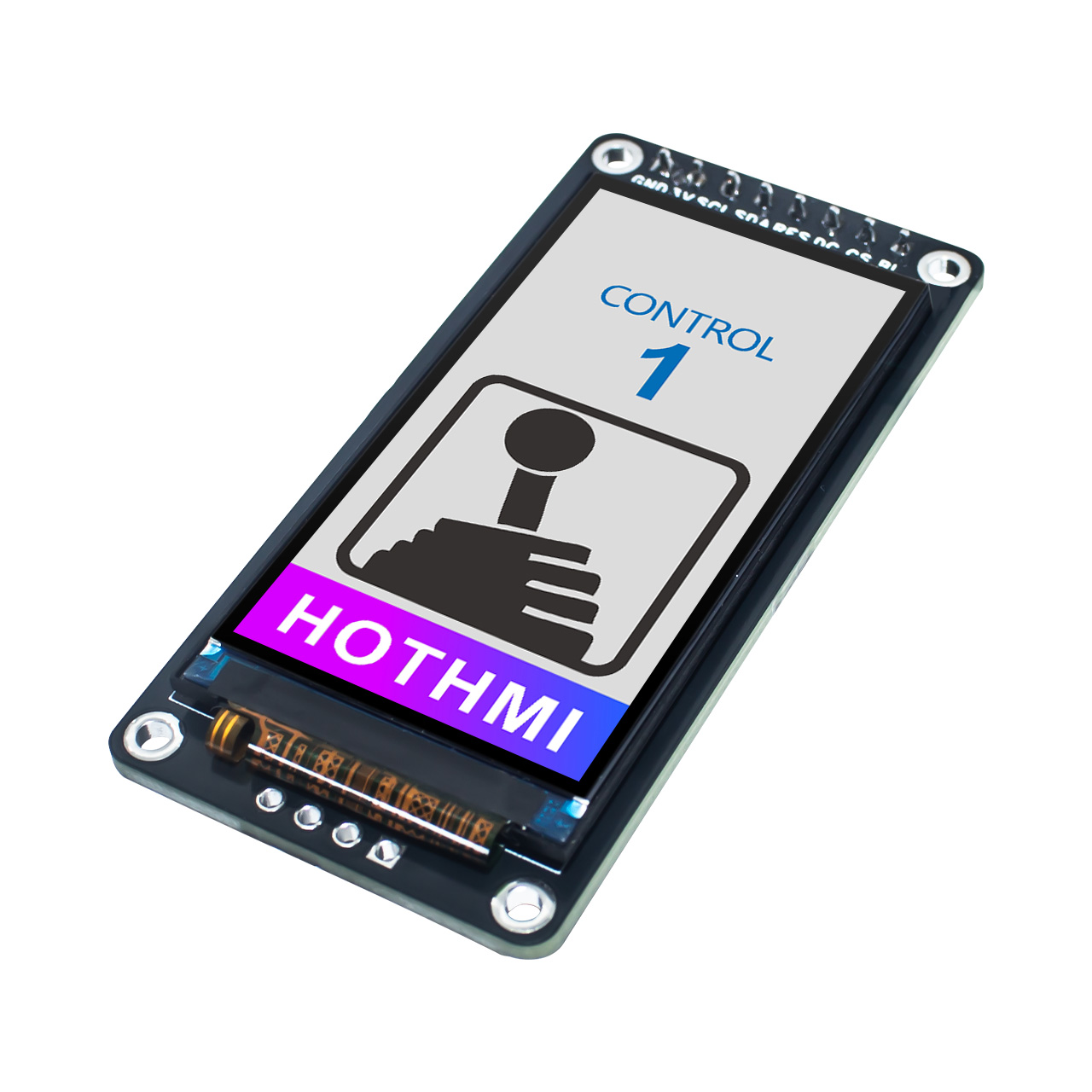
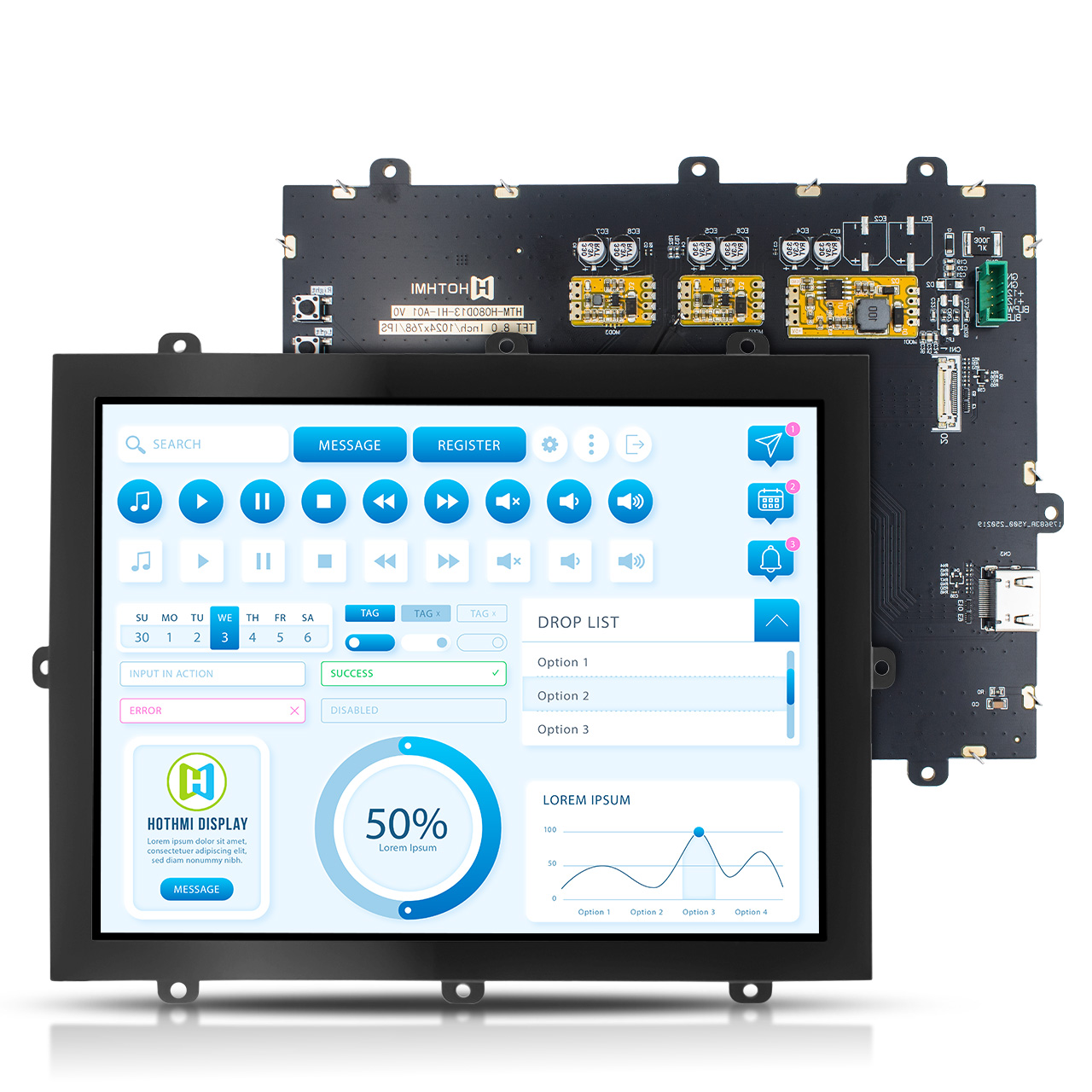
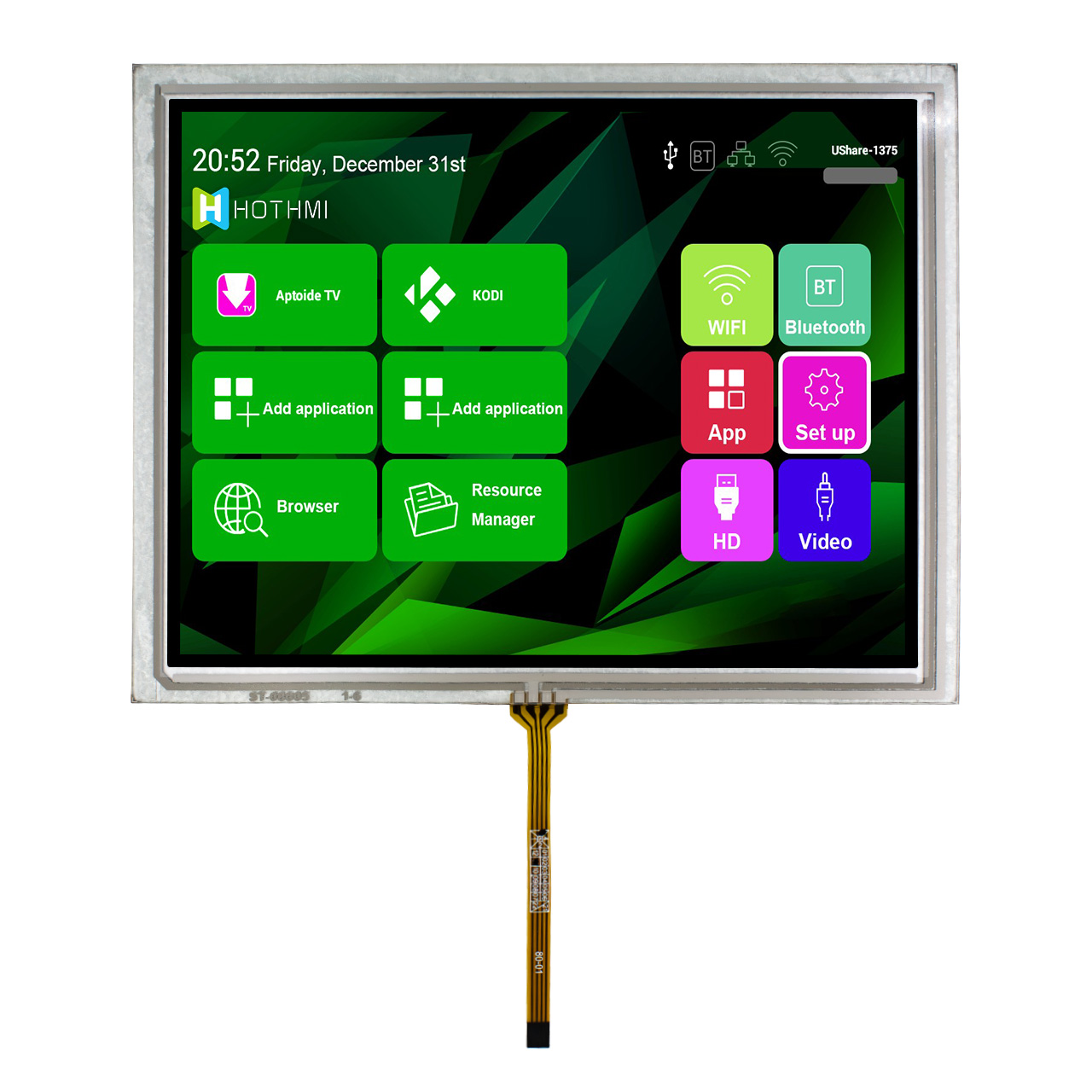
TFT LCD modules are designed for color images, graphical user interfaces, icons, menus and other visual content. Depending on the selected model, options may include different resolutions, interfaces, viewing-angle technologies, brightness levels and touch panels.
Explore this category for embedded displays, HMI panels, medical equipment, POS terminals and other products requiring color graphics.
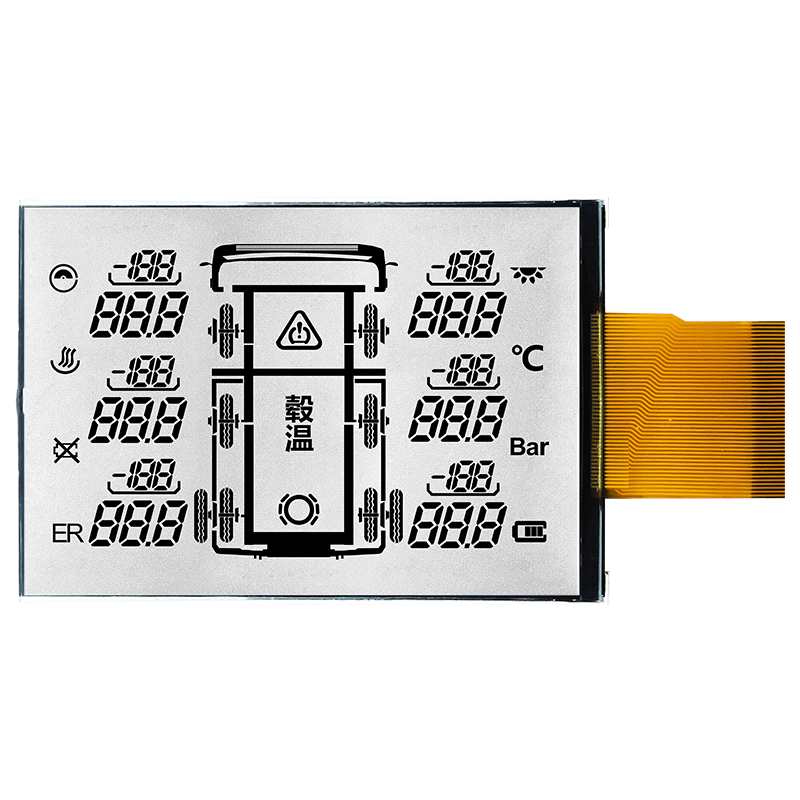
Segment LCD modules display predefined digits, symbols and custom-designed indicators. They are suitable when the information layout is fixed and the product needs a dedicated display pattern.
Typical considerations include segment layout, LCD technology, polarizer type, drive configuration, glass dimensions and viewing conditions.
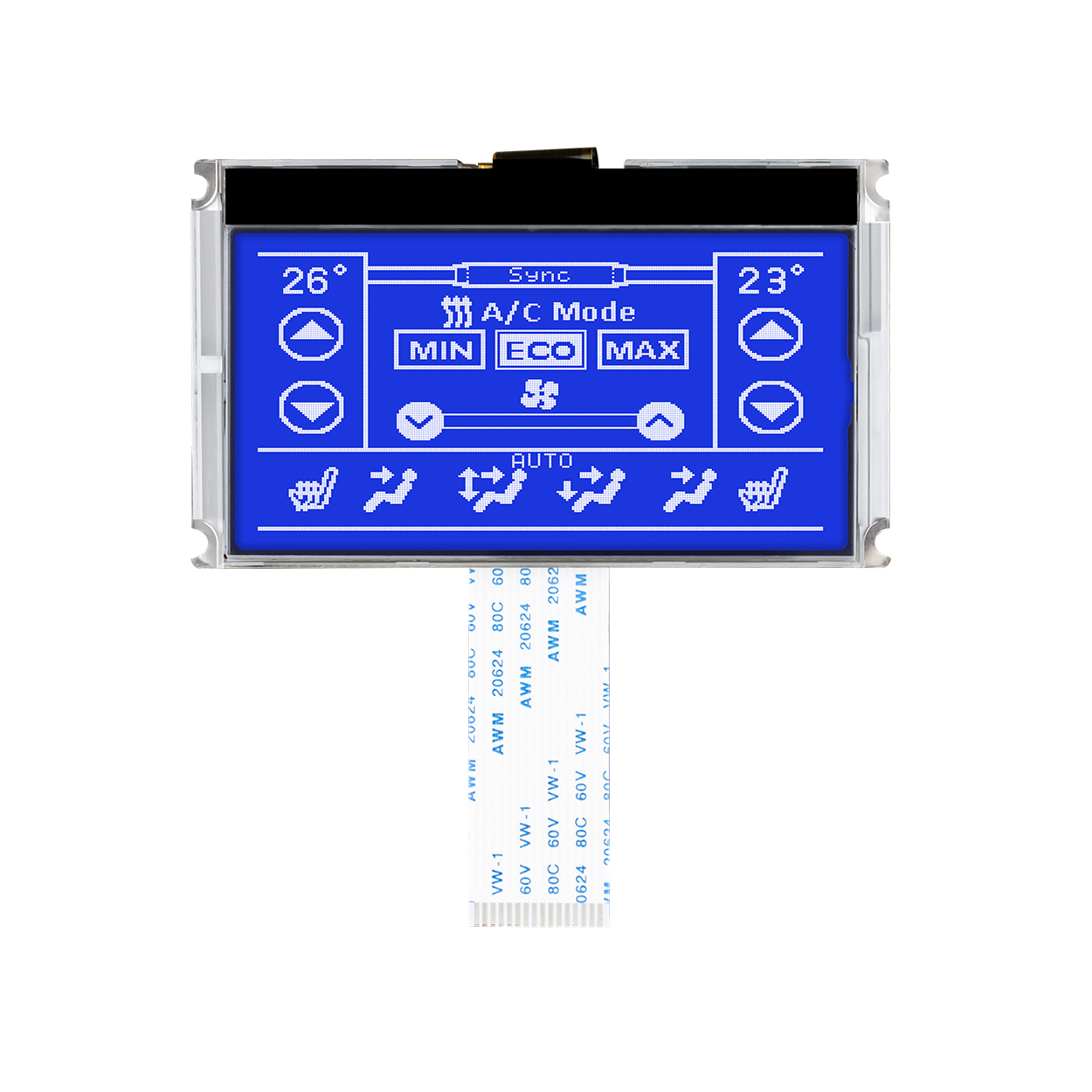
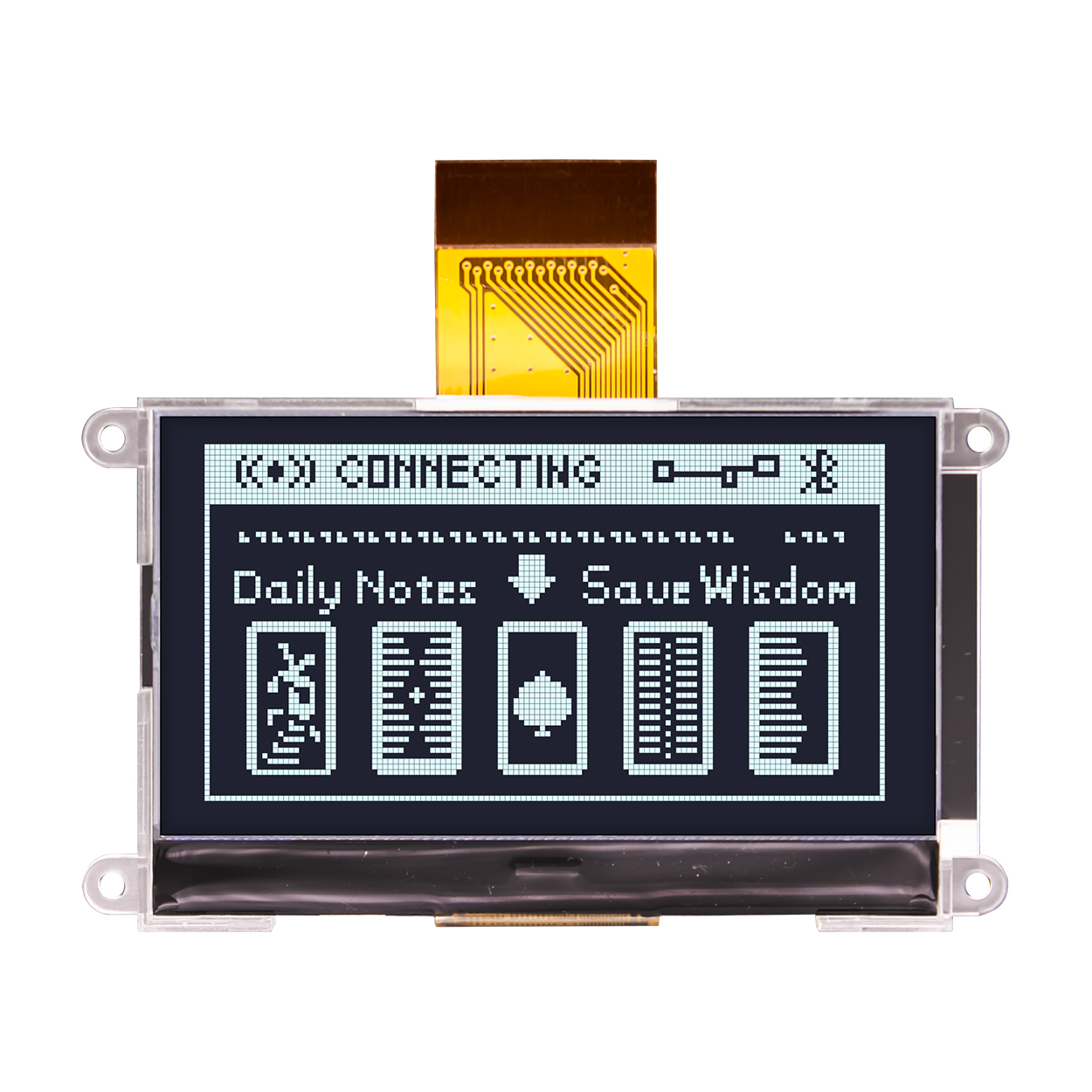
Graphic LCD modules use a pixel matrix to display text, icons, symbols and simple graphics. They are suitable when a fixed character layout is insufficient but a full-color TFT display is unnecessary.
Resolution, controller compatibility, interface, backlight and mechanical dimensions are important selection factors.
COG stands for Chip-on-Glass. In this design, the driver IC is bonded directly onto the glass, allowing a compact display structure. HOTDISPLAY lists monochrome graphic COG modules with resolutions from 128 × 64 to 320 × 240.
COG modules are worth considering for handheld meters, medical instruments and compact embedded devices where thickness and integration space matter.
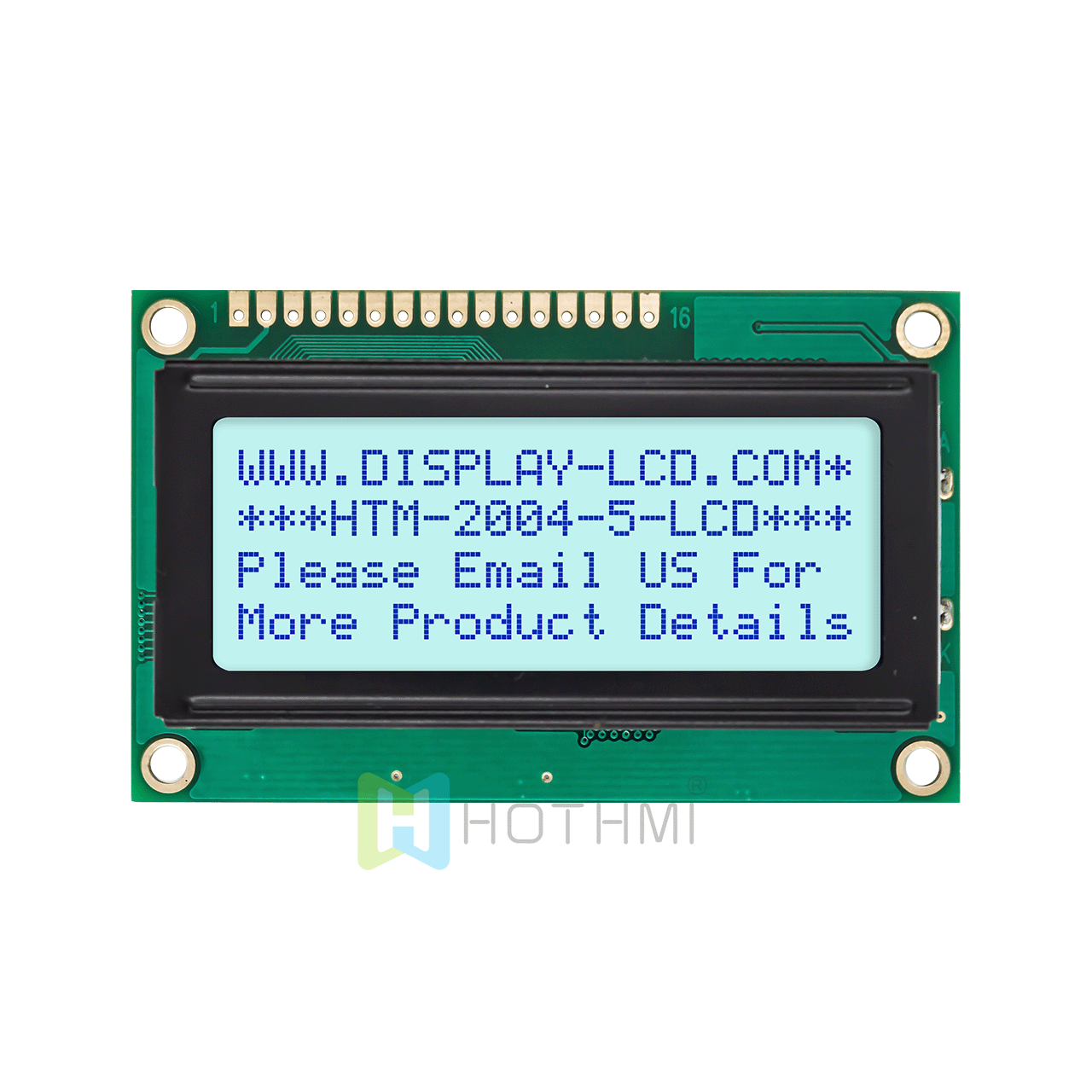
Character LCD modules display text and numbers in predefined character cells, such as 16 × 2, 20 × 4 and other available formats. They are suitable for menus, readings, status messages and basic equipment interfaces.
Selection depends on character format, LCD mode, backlight, interface, supply voltage and required character set.
Display operating parameters, status messages, measurements and control information. Choose the display technology according to the interface complexity, readability requirements, available space and operating environment.
Select an LCD module based on the information density, display readability, system interface and mechanical integration requirements of the complete instrument.
Compact dimensions, power requirements, display content and user interaction often determine whether a character, graphic, COG or TFT LCD module is the better fit.
Meters, controllers and embedded devices may need fixed numerical information, simple menus or full-color interfaces. Match the display type to the information and host-system architecture.
POS equipment, terminals and operator panels may require color graphics, text, touch interaction or fixed indicators. Select the display according to the intended interface and installation environment.
HOTDISPLAY Technology Co., Ltd. states that it was established in 2004 and focuses on display research, development, design and manufacturing. Its published product range includes TFT, COG, graphic, character and other LCD display technologies.
For product developers and purchasing teams, the key is to find a module that fits the application electrically, optically and mechanically—not simply one with the right screen size.
To support product selection, provide your intended application, display content, target dimensions, host interface, viewing conditions and estimated quantity. If you need a customized or replacement module, include your drawings, current model number or datasheet when available.
Start with the screen content rather than the screen size alone.
Digits and fixed symbols: Consider a segment LCD module.
Text in rows and columns: Consider a character LCD module.
Icons and monochrome graphics: Consider a graphic LCD module.
Compact monochrome integration: Consider a COG LCD module.
Color images and graphical interfaces: Consider a TFT LCD module.
This first decision helps narrow the product range before comparing individual models.
Check the overall module dimensions, active area, thickness, viewing direction, connector position and mounting requirements. The diagonal screen size alone does not confirm mechanical compatibility.
For replacement projects, compare the original model number, datasheet, pin assignment and mounting details before selecting an alternative.
The LCD module must work with the host processor or display controller. Depending on the display type and selected model, interfaces may include MCU, SPI, RGB, LVDS, MIPI DSI or other specified connection methods.
Confirm signal definitions, voltage levels, controller requirements, initialization procedures and backlight power requirements before committing to a design.
Consider viewing angle, contrast, ambient light, backlight requirements and operating temperature. For bright environments, evaluate high-brightness or suitable reflective/transflective options where available.
Do not assume that every LCD module supports the same optical performance or temperature range. Always verify the datasheet for the exact model.
If a standard module does not fit your design, discuss the required changes before finalizing the PCB or enclosure. Depending on the product and project, HOTDISPLAY lists customization options relating to display structure, FPCs, connectors, PCB design, touch panels and other integration requirements.
Customization feasibility, minimum order quantity, lead time and engineering scope should be confirmed for the selected product.
An LCD module is a display assembly used to present information in an electronic product. Depending on the design, it may include an LCD panel, driver IC, backlight, FPC, PCB or other supporting components. The exact configuration varies by product type and model.
TFT modules display color images and graphics. Segment modules display predefined digits and symbols. Character modules display text in fixed character cells. Graphic modules use a pixel matrix for text, icons and monochrome graphics. COG describes a driver-chip mounting structure commonly used in compact monochrome displays.
The answer depends on the display content, backlight use, viewing conditions and host electronics. A segment or character LCD may suit a simple information display, while a COG module may suit a compact monochrome graphic interface. Compare the actual power specifications of candidate models.
HOTDISPLAY publishes customization options for selected display products, including connection, PCB, touch and structural requirements. The available options depend on the display type and project specifications. Submit your requirements for a feasibility review.
Start with the original part number and datasheet. Check dimensions, active area, interface, pinout, voltage, controller, backlight and operating temperature. A module with the same diagonal size may still be electrically or mechanically incompatible.
Provide the target display type, dimensions, content, resolution where applicable, interface, backlight or touch requirements, operating environment, estimated quantity and target application. For a replacement or customized design, include a drawing, photograph or existing datasheet if available.
Not sure which LCD technology suits your product? Tell HOTDISPLAY what information the display needs to show, how it will connect to the host system and where it will operate.
Our team can review the requirements and help identify suitable products or discuss a customized LCD module solution.
What did our happy clients say?