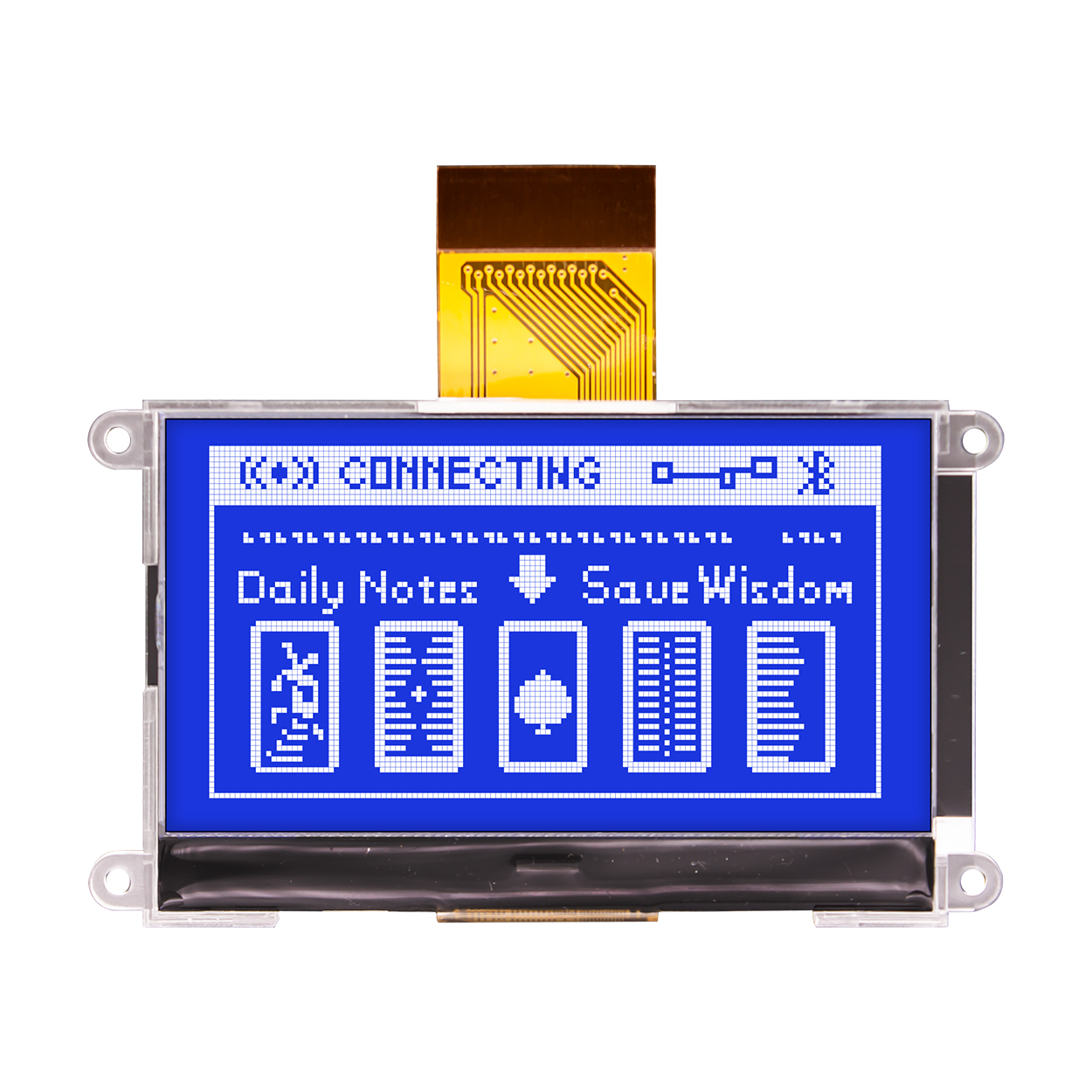
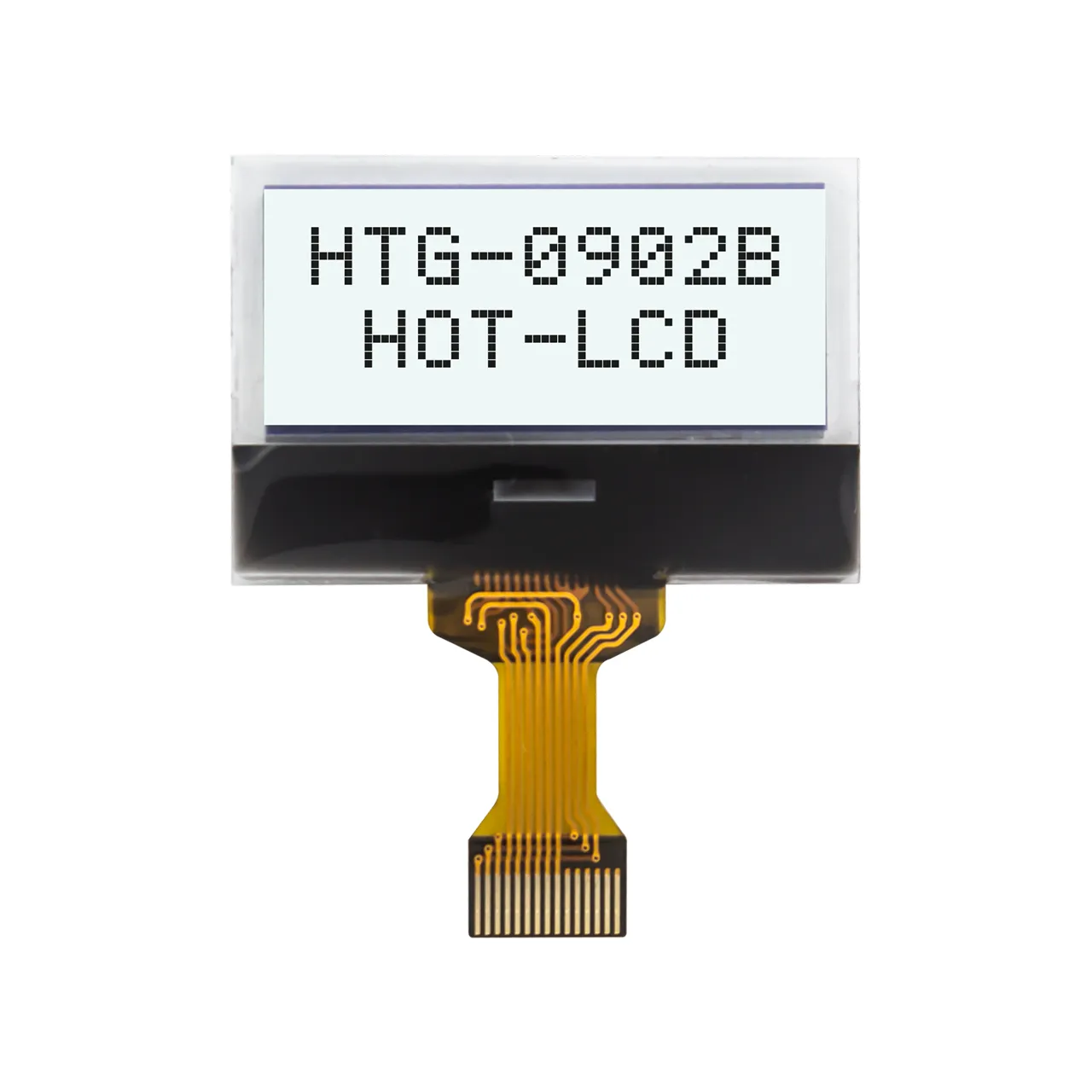
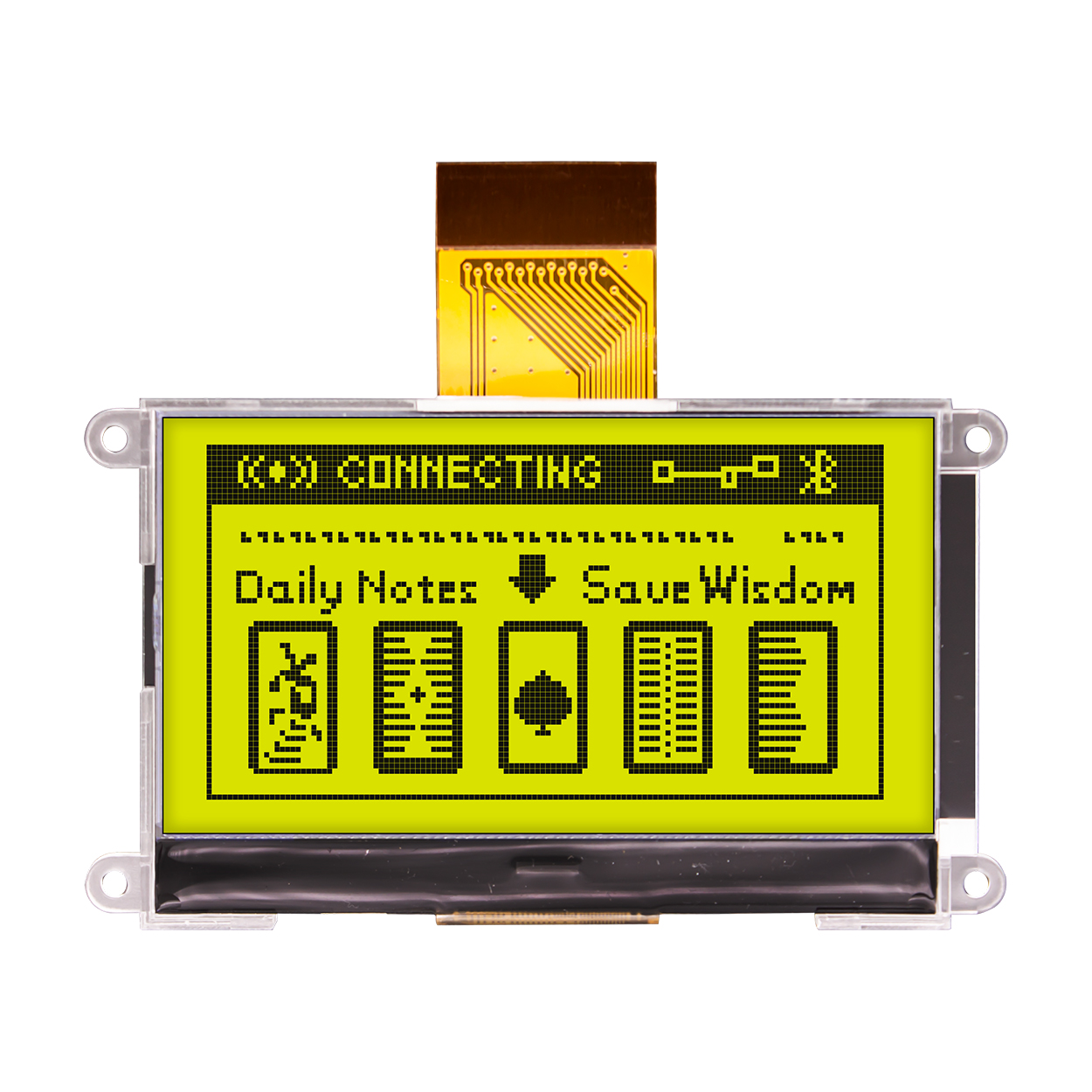
COG LCD Module

COG LCD Modules for Thin and Compact Electronic Designs

COG LCD stands for Chip-on-Glass LCD. In this construction, the driver IC is bonded directly to the glass substrate instead of being mounted on a conventional separate circuit board.

This approach can reduce the thickness and component footprint of the display assembly, making COG LCD modules suitable for compact instruments, handheld meters, medical equipment and embedded electronic products.

HOTDISPLAY offers COG LCD modules in selected monochrome resolutions and configurations, with product options that vary by display technology, driver IC, interface, dimensions and backlight.

Types of COG LCD Module for Sale at Hotdisplay

Page 1 of 0

Custom TFT LCD Display You Need, Contact Hotdisplay Now

All Products
Select Any Product
Request A Quote Now
COG LCD

What Is COG LCD Technology?

In a COG display, the driver IC is mounted directly onto the LCD glass through a specialized bonding process. Electrical connections are routed through the display structure, often using a flexible printed circuit or a compatible connection arrangement.

The design can reduce the space occupied by separate driver electronics. However, COG describes the IC mounting architecture, not a specific LCD optical technology or communication protocol.

A COG LCD may still require a host controller, suitable power circuitry and an interface compatible with the selected driver IC.

Why Choose a COG LCD Module?

Compact and Thin Structure

Directly bonding the driver IC to the glass can reduce the need for a separate driver PCB, supporting space-constrained product designs.

Low-Power Design Potential

COG LCD modules can be suitable for battery-powered equipment and embedded instruments. Actual power consumption depends on the LCD technology, driver, operating voltage, refresh behavior and backlight.

Flexible Monochrome Display Layouts

Graphic COG modules can display pixel-based text, icons, measurement results and simple graphics. The available layout depends on the selected resolution and controller.

Integration Options

HOTDISPLAY's published COG information describes adapter-board options that can convert an FPC connection to pin headers or cable connectors. Relevant modules may also be available in PCB-mounted configurations with a controller and backlight through the graphic LCD product range.

The appropriate configuration must be confirmed for the specific product.

COG LCD vs. COB LCD Module

COG and COB describe different ways of assembling display electronics.

  • COG (Chip-on-Glass): The driver IC is bonded directly to the LCD glass, helping reduce the separate PCB footprint.

  • COB (Chip-on-Board): The IC is mounted on a printed circuit board, commonly used in character LCD modules and some graphic LCD assemblies.

COG can be attractive when thickness and compact integration are priorities. COB may be appropriate when a more conventional PCB-based module and connection structure better suit the application.

Neither structure is automatically better for every design; compare dimensions, electrical requirements, cost and assembly needs.

COG LCD vs. COB LCD Module

HOTDISPLAY COG LCD Module Options

HOTDISPLAY's published product range includes COG LCD modules with resolutions such as:

  • 128×64: A compact graphic format for status information, icons and menus.

  • 132×64: An alternative monochrome graphic format for embedded interfaces.

  • 240×160: A higher-resolution option for more detailed monochrome layouts.

  • 320×240: A larger graphic format available within the broader COG/graphic LCD product offering, subject to the specific module configuration.

The existing catalogue includes examples using controllers such as ST7567. The driver IC, interface, voltage, dimensions and display technology must be checked individually rather than assumed from the resolution alone.

HOTDISPLAY COG LCD Module Options

Applications of COG LCD Modules

Handheld Meters and Test Equipment

Use compact monochrome displays to present measurements, operating status and menu information.

Medical and Laboratory Instruments

Integrate thin display modules into portable or space-constrained instruments, subject to the product's optical, electrical and environmental requirements.

Industrial Embedded Equipment

Display status, parameters and operating information in control devices where a compact interface is required.

Consumer Electronics

Support compact products that need a low-profile display with custom text or graphic content.

Applications of COG LCD Modules

How to Select a COG LCD Module

Resolution and Display Content

Determine whether the screen will show fixed information, custom icons, measurement results or more complex monochrome graphics.

Driver IC and Interface

Confirm the driver IC, communication interface, initialization requirements, logic voltage and host compatibility. A matching resolution does not guarantee electrical compatibility.

FPC and Connector Design

Check the FPC dimensions, contact pitch, pinout, cable orientation and connection method. If direct connection is inconvenient, ask whether a compatible adapter board or connector arrangement is available.

Backlight and Optical Performance

Confirm whether the module requires a backlight, which backlight options are available and whether the optical characteristics meet the intended lighting environment.

Mechanical and Environmental Requirements

Check overall dimensions, thickness, viewing area, operating temperature, mounting arrangement and the protection provided by the finished enclosure.

Frequently Asked Questions

Q1: Does COG mean the LCD has no controller?

No. COG describes how the driver IC is mounted. The module may contain a driver IC, but the host system still needs to communicate with it using a supported interface and control sequence.

Q2: Is every COG LCD a graphic display?

No. COG is an assembly technology, not a display-content category. COG products can use different LCD formats and capabilities. Confirm the exact module specification.

Q3: Can a COG LCD connect directly to a microcontroller?

It can when the microcontroller supports the module's interface, voltage levels, timing and required initialization. Some designs may need an adapter board or additional circuitry.

Q4: Can HOTDISPLAY provide a PCB or connector adapter?

The published COG range describes adapter-board options for selected products, including conversion from FPC to pin headers or cable connections. Confirm feasibility for the chosen module.

Q5: Is COG LCD always lower in power consumption?

Not automatically. The COG structure can reduce component footprint, but power depends on the driver, LCD technology, voltage, display operation and backlight.

Q6: Can I replace an existing COG LCD module?

A replacement must match more than the outline dimensions. Check the driver IC, resolution, interface, pinout, voltage, initialization sequence, viewing area and mechanical structure.

Q7: What information is required for a COG LCD quotation?

Provide the target resolution, outline dimensions, FPC drawing, driver or interface requirements, backlight preference, operating temperature and estimated quantity.

Find the Right COG LCD Module for Your Design

HOTDISPLAY provides COG LCD product options and integration configurations for compact electronic products.

Send your existing module datasheet or target specifications to evaluate compatibility, connection options and the most suitable display configuration.

Contact us today

let us boost your business today!
  • Production Competency Production Competency
  • Warranty Assurance Warranty Assurance
  • Expert R&D Team Expert R&D Team
  • Competitive price Competitive price
  • Customization Excellence< Customization Excellence
  • Quality Control Quality Control
All of your questions will be answered by our team in a very quick/effective way.
  • verify code

Hot Products